The 1912-D Wheat Penny is worth anywhere from $3 in heavily worn condition to over $200 or more in higher mint state grades. If you found one of these old Lincoln cents in a jar or collection, you may be sitting on a coin that collectors genuinely want — and this guide will help you figure out exactly what it’s worth.
What Makes the 1912-D Wheat Penny Special
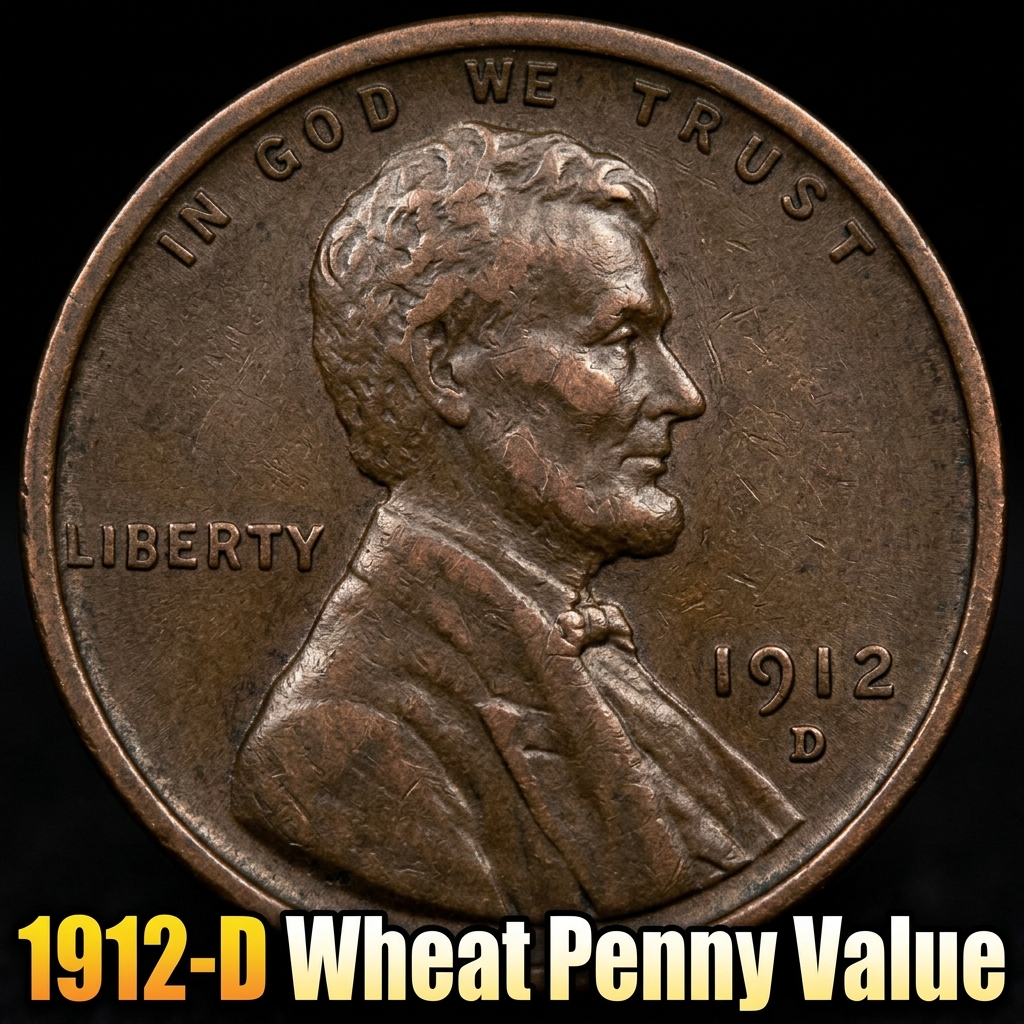
The “D” in 1912-D stands for Denver, meaning this coin was struck at the Denver Mint. In 1912, the United States Mint produced Lincoln Wheat Pennies at three different locations: Philadelphia, San Francisco, and Denver. The Denver issue had a mintage of about 10,411,000 coins — not the rarest in the series, but low enough that finding one in good condition is a real treat.
If you’ve ever used a free coin identification app to check old coins, you probably already know that mint marks matter a lot. The tiny “D” beneath the date on the obverse side of the coin is what separates this penny from the more common Philadelphia version, which has no mint mark at all. Even in circulated grades, the 1912-D Wheat Penny commands a noticeable premium over the plain 1912.
Lincoln cents from this era were designed by Victor David Brenner, featuring Abraham Lincoln on the front and two wheat stalks on the reverse. These early-date Wheat Pennies are a favorite among collectors, and the Denver issue is considered a semi-key date in the series.
1912-D Wheat Penny Value by Grade
The condition of your coin has the biggest impact on its value. A penny that spent decades in circulation will look very different from one that was saved from the start. Here’s a general breakdown of what collectors pay for the 1912-D Wheat Penny across different grades:
| Grade | Description | Estimated Value |
|---|---|---|
| Good (G-4) | Heavy wear, design visible | $3 – $6 |
| Very Good (VG-8) | Moderate wear, letters clear | $7 – $12 |
| Fine (F-12) | Light to moderate wear | $12 – $20 |
| Very Fine (VF-20) | Light wear on high points | $20 – $40 |
| Extremely Fine (EF-40) | Slight wear, sharp detail | $45 – $75 |
| Mint State (MS-63) | Uncirculated, minor marks | $150 – $250 |
| Mint State (MS-65+) | Gem quality, full luster | $400+ |
For the most up-to-date auction prices and certified coin values, you can check the 1912-D Wheat Penny price data in mint red grades on CoinHix, which tracks real sales from major auction platforms. CoinHix is a fantastic resource for anyone who wants live market data without having to dig through auction archives manually.
How to Tell What Grade Your 1912-D Penny Is
Grading coins takes practice, but there are a few things you can check at home. Start by looking at Lincoln’s cheekbone and jawline — these are the highest points on the design and show wear first. If those features are flat and blended together, the coin is likely in the Good to Very Good range. If you can still see clear separation between Lincoln’s ear and hair, you’re probably looking at a Fine or better specimen.
Also check the wheat stalks on the reverse. In better grades, the individual grains within each stalk should be visible and distinct. A coin in Extremely Fine condition will still show most of those fine details, even with light wear on the tips of the stalks.
For a complete look at the full 1912 penny value across all mint marks and grades, including the Philadelphia and San Francisco issues side by side, that comparison can help you understand how the Denver coin stacks up.
Tips for Selling or Getting Your Coin Appraised
If you think your 1912-D Wheat Penny might be in Extremely Fine or Mint State condition, consider getting it professionally graded by PCGS or NGC. A certified coin almost always sells for more than a raw (ungraded) one, because buyers trust the grade. Certification is especially worth it if your coin shows original red or red-brown luster.
For everyday circulated examples, you have several good options: local coin dealers, coin shows, or online platforms like eBay. Always compare recently sold listings — not just asking prices — to get a realistic idea of what buyers are actually paying.
CoinHix makes this process easier by aggregating price data across sales, so you can see trends at a glance. And if you’re still figuring out whether your coin is the right date and mint mark in the first place, a quick scan with CoinHix or another coin app can save you a lot of guesswork.
FAQ About the 1912-D Wheat Penny
Q: Is the 1912-D Wheat Penny rare?
A: It’s not the rarest Lincoln cent, but with a mintage of just over 10 million and most coins heavily circulated, finding one in Fine or better condition is less common than you’d think. It’s considered a semi-key date in the Wheat Penny series.
Q: What does the “D” mint mark look like and where is it located?
A: The “D” is a small letter located on the obverse (front) of the coin, just below the date. It’s fairly small, so use a magnifying glass if you’re not sure. On worn coins, it can sometimes be faint but should still be readable.
Q: Should I clean my 1912-D Wheat Penny before selling it?
A: No — never clean a coin you plan to sell. Cleaning removes the natural patina and almost always lowers the coin’s value significantly. Collectors and dealers strongly prefer original, uncleaned surfaces, even if the coin looks dull or dark.