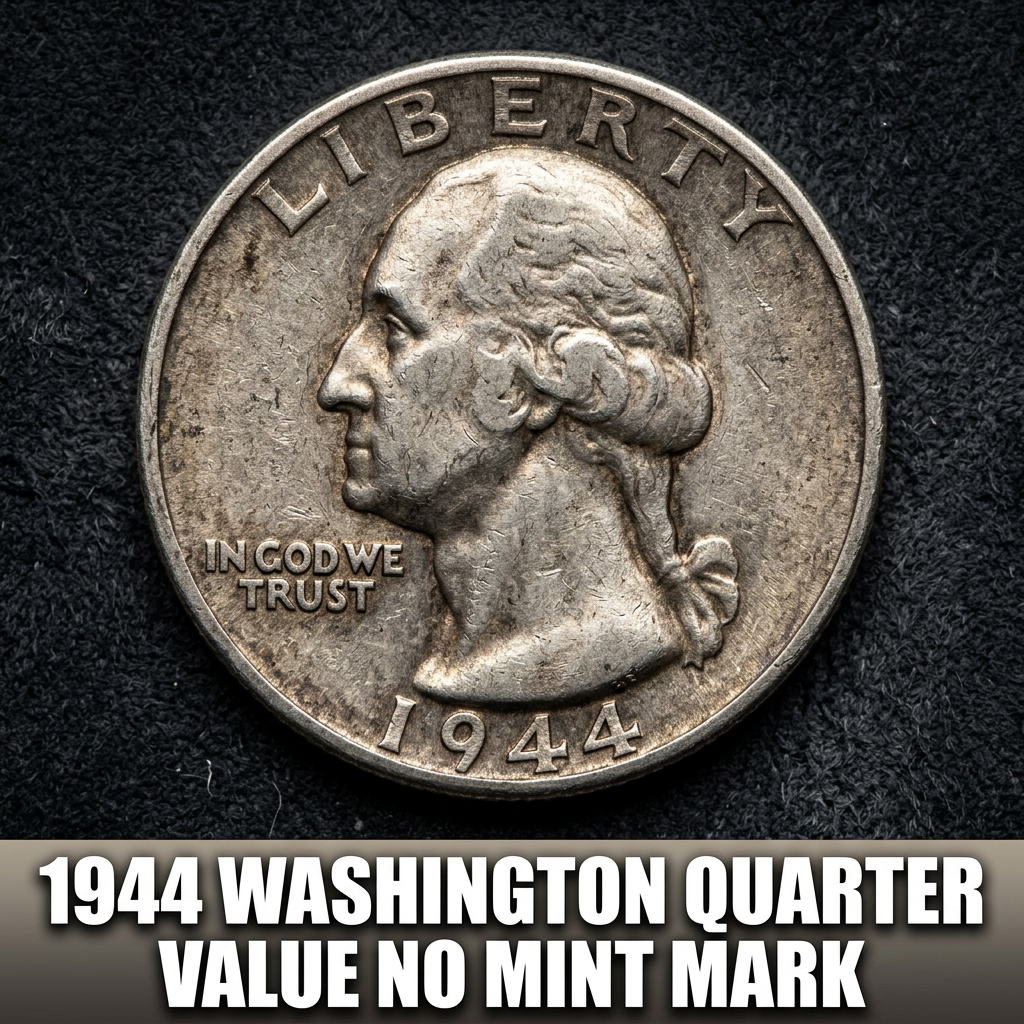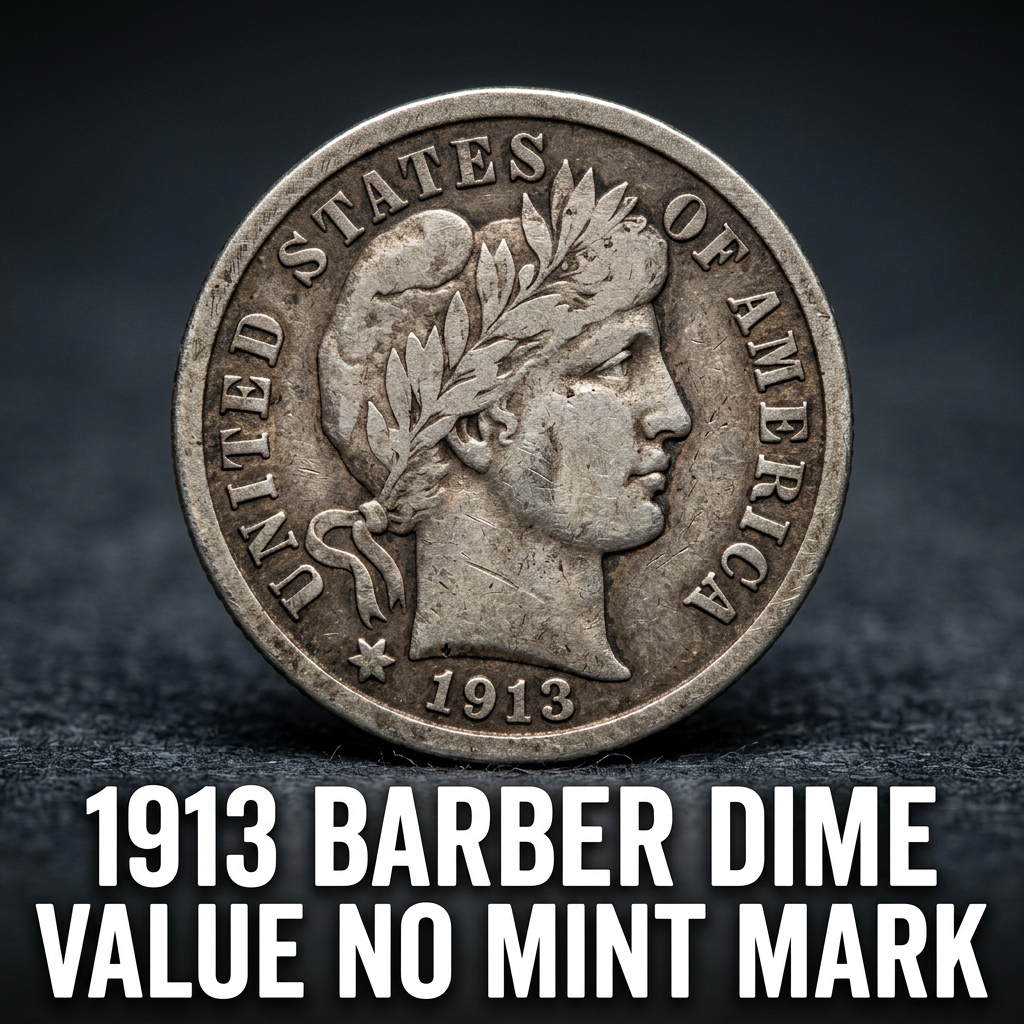
The 1913 Barber Dime with no mint mark is worth anywhere from $3 to $5 in heavily worn condition, climbing to $30 or more in fine shape, and reaching hundreds of dollars in uncirculated grades. If you’ve found one of these silver coins tucked away in an old jar or inherited collection, you’re holding a piece of genuine American history.
What Is the 1913 Barber Dime?
The 1913 Barber Dime is a 10-cent silver coin produced during the final years of Charles E. Barber’s long career as Chief Engraver of the U.S. Mint. These dimes were struck at three facilities — Philadelphia (no mint mark), Denver (D), and San Francisco (S). The Philadelphia version carries no mint mark at all, which is how collectors identify it. Made of 90% silver and 10% copper, each coin contains about 0.0723 troy ounces of silver. Even a heavily circulated example has some melt value, making it worth more than face value by a wide margin. If you’re not sure whether your coin is a Barber Dime or something else entirely, try a free coin identification app to get a quick answer before you do anything else with it.
1913 Barber Dime No Mint Mark Value by Grade
Coin value depends heavily on condition, which collectors call “grade.” A coin that spent decades in circulation will show heavy wear on the design — especially on Lady Liberty’s head and the lettering — while an uncirculated coin looks almost as sharp as the day it was made. Here’s a breakdown of typical values for the 1913 Barber Dime with no mint mark:
| Grade | Description | Estimated Value |
|---|---|---|
| Good (G-4) | Heavy wear, outline visible | $3 – $5 |
| Very Good (VG-8) | Moderate wear, some detail | $6 – $10 |
| Fine (F-12) | Even wear, major features clear | $12 – $20 |
| Very Fine (VF-20) | Light wear on high points | $25 – $40 |
| Extremely Fine (EF-40) | Slight wear, sharp design | $55 – $75 |
| About Uncirculated (AU-50) | Trace wear only | $90 – $130 |
| Mint State (MS-60+) | No wear, mint luster | $175 – $500+ |
These values reflect the current market for a Philadelphia-minted example. For a more detailed and up-to-date look, check out this complete 1913 Barber Dime value guide covering all mint marks and grades.
How Many Were Made and Why That Matters
The Philadelphia Mint struck 19,760,000 Barber Dimes in 1913 — a relatively healthy mintage for the era. Because so many were made, lower-grade examples are not especially rare, and you’ll find plenty of them in dealer bins and estate sales. However, high-grade mint state specimens are a different story. After more than a century, finding one of these coins with original luster and sharp details is genuinely difficult. That’s why values jump so dramatically from AU to MS grades. The scarcity of gem-quality 1913 Barber Dimes with no mint mark keeps demand strong among serious collectors. CoinHix is a great tool for understanding exactly where your coin falls on this spectrum, giving you a smarter starting point before you buy, sell, or trade.
Silver Melt Value and What It Means for You
Even if your 1913 Barber Dime is completely worn smooth, it still has real value because of its silver content. At a silver spot price of around $28 per troy ounce, the melt value of a single Barber Dime is roughly $2.00. That means even the roughest surviving example is worth keeping — it’s never truly worthless. Of course, numismatic value (collector value) almost always exceeds melt value for coins in recognizable condition. Before you sell any silver coin based on weight alone, make sure you understand the full collector value. The CoinHix app can help you compare melt value against current collector pricing so you never leave money on the table.
Tips for Selling or Getting Your 1913 Barber Dime Appraised
If you think your coin might be in fine or better condition, it’s worth getting a proper appraisal or even sending it to a third-party grading service like PCGS or NGC. A certified grade can significantly increase buyer confidence and final sale price. For everyday sellers, coin shows, reputable online auction platforms, and established coin dealers are all reasonable options. Always get more than one opinion on higher-value coins. And remember — never clean your coin. Even a light polish can destroy collector value entirely. Use CoinHix to document your coin with photos and get an instant estimated value before you walk into any dealer’s shop.
Frequently Asked Questions
Q: How do I know if my 1913 dime has no mint mark?
A: Flip the coin over to the reverse side and look near the bottom, between the “E” in “ONE” and the “D” in “DIME.” If there’s no letter there, it was struck at the Philadelphia Mint and carries no mint mark. That’s your 1913 Barber Dime with no mint mark.
Q: Is the 1913 Barber Dime with no mint mark rare?
A: In worn grades, no — nearly 20 million were minted. But in mint state condition with original luster, these coins become genuinely scarce and can command hundreds of dollars from collectors.
Q: Should I have my 1913 Barber Dime professionally graded?
A: If your coin appears to be in Very Fine condition or better, professional grading from PCGS or NGC is usually worth the cost. A certified coin is easier to sell, often fetches a higher price, and protects both buyer and seller from disputes about condition.