The 2005-S Oregon Silver Proof Quarter is worth anywhere from $5 in typical proof condition to $15 or more for top-grade examples graded PR70 DCAM — making it a pleasant little surprise if you’ve found one tucked away in an old coin collection.
If you’ve come across a shiny, mirror-like quarter with Oregon’s Crater Lake on the back and an “S” mintmark on the front, you may be holding something more valuable than face value. This guide breaks down exactly what your 2005-S Oregon Silver Quarter is worth, what makes certain coins more valuable than others, and how to tell if yours is one of the better ones.
If you’re not sure what you have, try using a free coin identification app to scan your coin and get an instant ID before diving deeper into its value. Tools like CoinHix make it easy to identify and track coin prices right from your phone, which is a huge help when you’re just getting started.
What Is the 2005-S Oregon Silver Quarter?
The 2005-S Oregon quarter is part of the famous 50 State Quarters Program, which ran from 1999 to 2008. Each year, five states were honored with their own unique reverse design. Oregon’s coin features Crater Lake National Park — the deepest lake in the United States — surrounded by evergreen trees and a small island.
The “S” mintmark tells you this coin was made at the San Francisco Mint, which produced proof coins specifically for collectors. The “Silver” part is key: unlike regular clad proof quarters (which are copper-nickel), the Silver version is made of 90% silver and 10% copper — the same composition as pre-1965 U.S. quarters.
These were sold exclusively in Silver Proof Sets by the U.S. Mint. They were never released into circulation, so finding one in a coin collection or an old proof set is the most common way people encounter them today.
2005-S Oregon Silver Quarter Value by Grade
The value of your coin depends heavily on its grade. Proof coins are graded on a scale from PR60 to PR70, and the difference in value can be significant. Deep Cameo (DCAM) coins — those with frosted devices against mirror-like fields — command the highest premiums.
| Grade | Type | Estimated Value |
|---|---|---|
| PR65 DCAM | Silver Proof | $5 – $7 |
| PR67 DCAM | Silver Proof | $8 – $10 |
| PR69 DCAM | Silver Proof | $10 – $13 |
| PR70 DCAM | Silver Proof | $15 – $25+ |
For the most current market data, you can check live 2005 State Quarter pricing data across grades and mint varieties on CoinHix, which updates regularly based on real auction results.
Silver Content and Melt Value
Even if your coin isn’t in perfect proof condition, it still has real silver value. Each 2005-S Silver Quarter contains 0.1808 troy ounces of pure silver. With silver prices hovering around $28–$30 per troy ounce (as of mid-2024), that puts the melt value at roughly $5.00–$5.40.
This means even a heavily handled silver proof quarter is worth several times its face value of 25 cents. The silver floor gives collectors and sellers a solid baseline — the coin is worth at least its metal content regardless of collector grade. Keep in mind that melt value fluctuates with the silver spot price, so it’s worth checking current rates before selling.
How to Tell If Your Quarter Is Silver
This is one of the most common questions people ask. Here’s a simple way to check:
Look at the edge of the coin. Regular clad quarters show a visible copper stripe running along the edge. A silver quarter’s edge will be uniformly silver-colored with no copper stripe at all. That’s your quickest visual test.
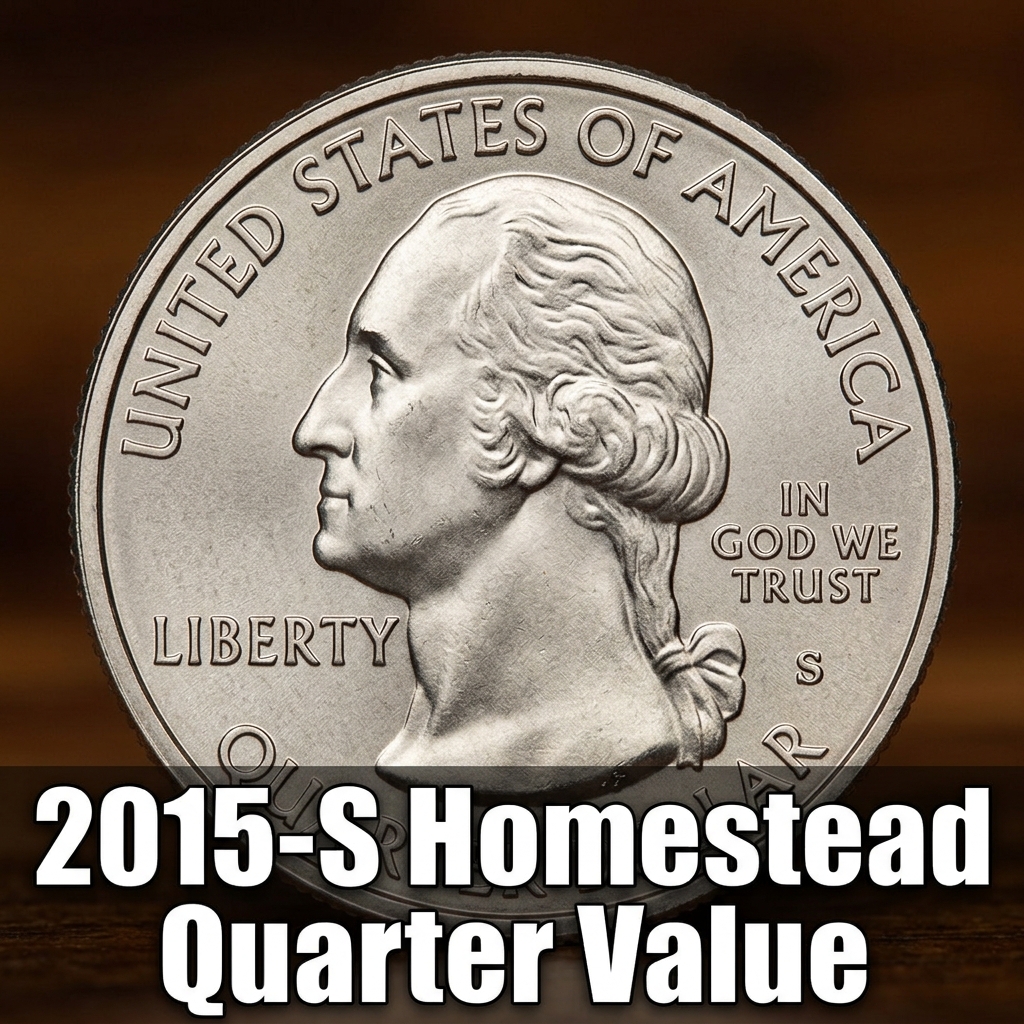
Additionally, the 2005-S silver proof quarter will typically look much sharper and more brilliant than a circulated coin. The details on Crater Lake and the portrait of George Washington will be crisp and mirror-like.
If you’re still unsure, apps like CoinHix let you scan your coin and get detailed specs, including composition and estimated value, right from your smartphone. It’s a great tool for beginners and experienced collectors alike.
You can also find a detailed breakdown of 2005 quarter values including silver proof varieties and what different grades are selling for to help you understand where your specific coin fits in the market.
Is the 2005-S Oregon Silver Quarter Worth Keeping?
For most people, yes — especially if it’s still in its original U.S. Mint packaging. Coins kept in original proof set holders tend to maintain higher grades and command better prices. If the coin is loose, unpackaged, or shows fingerprints or light scratches, it may grade lower, but it’s still worth more than a regular quarter.
Collectors who focus on completing silver proof sets often seek out the 2005 issues, and Oregon’s Crater Lake design is considered one of the more attractive quarters in the series. That collector interest helps support steady demand.
If you’re building a collection or thinking about selling, using CoinHix to track real-time prices is one of the smartest things you can do. It removes the guesswork and gives you data-backed confidence in any transaction.
FAQ
Q: How do I know if my 2005-S Oregon quarter is silver or clad?
A: Check the edge of the coin. A silver quarter will have a solid silver-colored edge with no copper stripe. Clad quarters show a visible orange-brown copper layer along the rim. The silver version also feels slightly heavier.
Q: How many 2005-S Oregon Silver Proof Quarters were made?
A: The U.S. Mint produced approximately 1.678 million 2005-S Silver Proof Quarters as part of the annual Silver Proof Set. While that sounds like a lot, most are held by collectors rather than circulating in the market, which helps maintain their value.
Q: Should I have my 2005-S Oregon Silver Quarter graded by PCGS or NGC?
A: It depends on the coin’s condition and your goals. Professional grading is generally worth the cost if the coin appears to be PR69 or PR70 DCAM, as a top-grade certified coin can sell for two to three times more than a raw example. For average PR65–PR67 coins, the grading fee may not be worth it unless you’re selling in bulk.