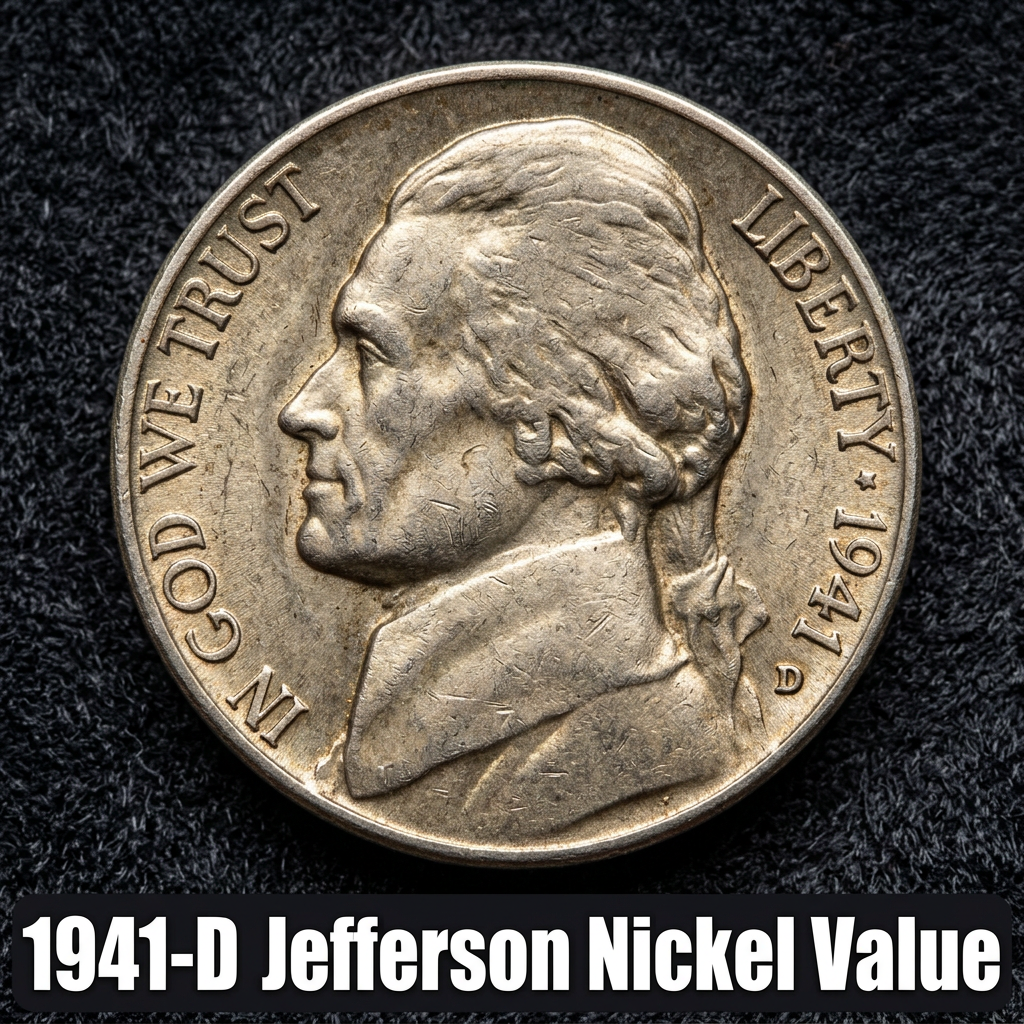
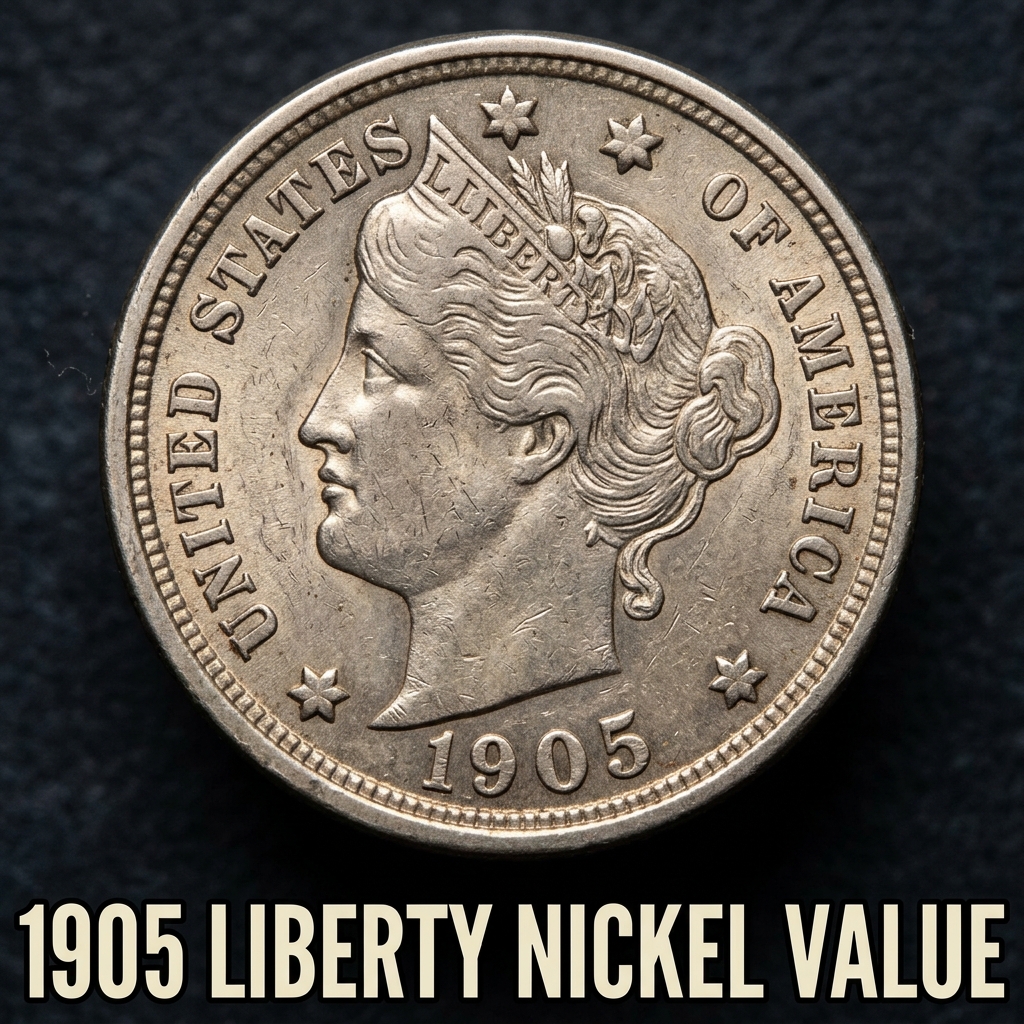
The 1972 Lincoln Memorial Penny with no mint mark is worth anywhere from a few cents in heavily worn condition to $10 or more in uncirculated grades — and certain error varieties can fetch hundreds of dollars from eager collectors.
If you recently dug through an old jar of coins and spotted a 1972 penny with no mint mark on it, you’re in the right place. Most of these coins were made at the Philadelphia Mint, which traditionally didn’t add a mint mark to its cents. While the average 1972 Lincoln penny isn’t going to retire you early, knowing its true value can be surprisingly rewarding — especially if you happen to have one of the famous doubled die errors. Let’s break it all down for you. If you’re not sure what you’ve got, you can always start with a free coin identification app to get a quick read on your coin before diving deeper.
A Quick History of the 1972 Lincoln Penny
The Lincoln Memorial Penny has been around since 1959, replacing the classic wheat design on the reverse. By 1972, the U.S. Mint was churning out billions of these coins to meet everyday demand. The Philadelphia Mint alone produced over 2.6 billion pennies that year — yes, billion with a B. That massive production is part of why most 1972 pennies without a mint mark aren’t worth a fortune. When something is made in huge quantities, it’s rarely rare.
That said, not every 1972 penny is the same. The coin is made of 95% copper and 5% zinc, giving it that warm reddish-brown color you probably recognize. Lincoln’s portrait appears on the obverse (front), designed by Victor Brenner, while Frank Gasparro’s Lincoln Memorial sits on the reverse. The “no mint mark” simply means your coin came from Philadelphia — and that’s completely normal and expected.
How Much Is the 1972 Lincoln Penny Worth in Different Grades?
The value of your 1972 penny depends heavily on its condition, or what coin collectors call its “grade.” Here’s a simple breakdown:
| Grade / Condition | Estimated Value |
|---|---|
| Good (G-4) | $0.10 – $0.25 |
| Fine (F-12) | $0.25 – $0.50 |
| Extremely Fine (EF-40) | $0.50 – $1.00 |
| Uncirculated (MS-63 Red) | $3 – $6 |
| Gem Uncirculated (MS-65 Red) | $8 – $15 |
| MS-67 Red (superb gem) | $100+ |
For a more detailed look at 1972 Lincoln penny prices across different mint state grades, it’s worth checking up-to-date coin price databases to see recent auction results. Values shift with collector demand, so real-time data always helps.
The 1972 Doubled Die Penny — The Star of the Show
Here’s where things get exciting. The 1972 Lincoln penny is famous in the coin world for one reason: the doubled die obverse variety. This error happened when the coin die was misaligned during the hubbing process, resulting in a noticeable doubling of the design elements on the front of the coin — particularly visible in the date, lettering like “IN GOD WE TRUST,” and Lincoln’s features.
A genuine 1972 doubled die penny in circulated condition can be worth anywhere from $100 to $300. In uncirculated condition, the same coin jumps to $500 or more. Top-graded examples have sold at auction for over $1,000. This is not a coin you want to spend at a vending machine.
To spot it, grab a magnifying glass and look closely at the date and the motto above Lincoln. If you see clear, dramatic doubling — not just a blurry or worn image — you might have something special. CoinHix is a great tool to help you research this variety further and compare your coin against certified examples.
Other Factors That Affect the 1972 Penny Value No Mint Mark
Beyond grade and error varieties, a few other things influence what your 1972 no mint mark penny is worth:
Color designation plays a big role in uncirculated coins. Grading services like PCGS and NGC assign one of three color labels — Red (RD), Red-Brown (RB), or Brown (BN). Red coins, which have retained most of their original copper luster, are worth significantly more than brown ones.
Strike quality matters too. A sharply struck coin with clear, crisp details will always command a premium over a weakly struck example of the same grade.
Certification from a reputable third-party grading service can also boost value, especially for higher-grade coins. A raw (ungraded) MS-65 coin might sell for $10, but a PCGS- or NGC-certified version of the same coin can fetch two to three times that amount from serious buyers.
You can explore a full breakdown of 1972 penny values including error coins and all mint marks to get a complete picture of what your coin might be worth today.
Using CoinHix to track live pricing data is another smart move — especially if you’re sitting on a handful of coins and want to figure out which ones are worth grading and which ones are just spending money.
Should You Sell or Hold Your 1972 Lincoln Penny?
If you have a regular, circulated 1972 penny with no mint mark, it’s honestly more of a keepsake than a payday. The real money is in the doubled die variety or pristine uncirculated examples. If you think your coin might qualify, the best path is to have it authenticated and graded by PCGS or NGC before trying to sell it.
For everything else, CoinHix makes it easy to track values over time, compare prices across platforms, and decide the right moment to buy or sell. Even if your 1972 penny turns out to be worth just a dollar or two, that’s still more than face value — and every cent counts when you’re building a collection.
—
Frequently Asked Questions
Q: How do I know if my 1972 penny is the valuable doubled die variety?
A: Look closely at the date and the words “IN GOD WE TRUST” using a magnifying glass or loupe. A genuine doubled die will show clear, dramatic doubling of the letters and numbers — not just fuzziness from wear. If it looks like each element has a shadow or twin image, you may have the real deal and should get it authenticated.
Q: Why does my 1972 penny have no mint mark — is it an error?
A: No, it’s not an error at all. The Philadelphia Mint did not place a mint mark on Lincoln cents during this era. A 1972 penny without a mint mark simply means it was struck in Philadelphia, which is completely normal and by design.
Q: Is it worth getting my 1972 Lincoln penny graded professionally?
A: It depends on the coin. For ordinary circulated examples, professional grading fees usually aren’t worth it since the coin’s value is low. However, if you believe you have a doubled die variety or a gem-quality uncirculated coin, professional grading from PCGS or NGC can significantly increase its market value and buyer confidence.