The 2007-P George Washington Dollar is worth anywhere from face value (just $1) in circulated condition to around $5–$15 or more in uncirculated mint state — and certain error coins can fetch hundreds of dollars from the right collector.
If you stumbled across one of these gold-colored dollars in a drawer, an old piggy bank, or a coin roll from the bank, you’re in good company. Millions of Americans have found these coins and wondered whether they’re sitting on hidden treasure. The honest answer: most are worth close to face value, but knowing the details can make a real difference. A great starting point is using a free coin identification app to quickly confirm what you have before diving deeper into valuation.
—
What Is the 2007-P George Washington Dollar?
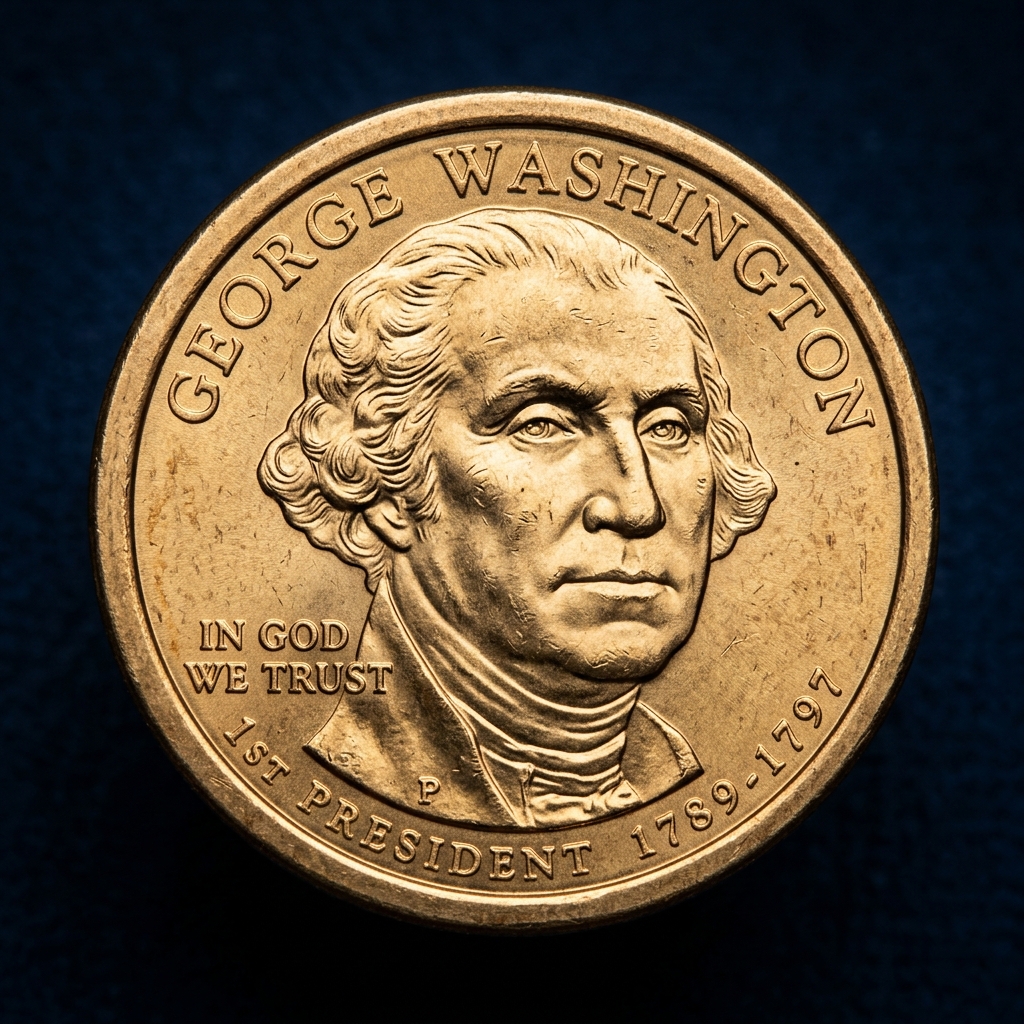
The 2007-P George Washington Dollar was the first coin released in the Presidential Dollar Program, a series launched by the U.S. Mint to honor American presidents in order of their service. George Washington was the natural choice to kick things off, and his coin debuted on February 15, 2007.
The “P” in the coin’s name stands for the Philadelphia Mint, one of two facilities (along with Denver) that struck these coins for general circulation. The obverse features a bold portrait of Washington with his name, the years of his presidency (1789–1797), and the motto “IN GOD WE TRUST” — which, interestingly, was moved to the edge of the coin on early strikes, causing some controversy.
The reverse shows the Statue of Liberty alongside “UNITED STATES OF AMERICA” and the denomination “$1.” The coin is golden in color because it’s made from a manganese-brass alloy, not actual gold. The Philadelphia Mint produced over 176 million of these coins, which is why most circulated examples are still worth just a dollar today.
—
2007-P Washington Dollar Value by Condition
Condition is everything in coin collecting. A coin pulled from pocket change will almost always be worth face value, while an uncirculated example straight from a mint roll can be worth a modest premium. Here’s a general value breakdown:
| Condition | Estimated Value |
|---|---|
| Circulated (Good to Fine) | $1 (face value) |
| Uncirculated (MS-63) | $3–$5 |
| Uncirculated (MS-65) | $6–$12 |
| Gem Uncirculated (MS-67+) | $50–$200+ |
| Error Coins (Missing Edge Lettering, etc.) | $50–$500+ |
For a more detailed and up-to-date breakdown, you can check out this helpful resource covering the full 2007 Presidential Dollar value guide with current market prices.
—
The Famous Missing Edge Lettering Error
Here’s where things get exciting. Early in 2007, a significant number of Washington Dollars left the Philadelphia and Denver mints without the edge lettering applied — meaning the phrase “IN GOD WE TRUST,” the year, and the mint mark were completely missing from the edge of the coin.
These are commonly called “Godless Dollars” by collectors, and they caused quite a media stir when they were first discovered. Depending on condition and which mint produced them, these error coins have sold for anywhere from $50 to over $500 at auction. Some exceptional examples have gone even higher.
So how do you check? Simply roll the coin between your fingers and look at the edge. If it’s smooth and blank with no lettering, you may have found one of the valuable errors. CoinHix is a fantastic tool for identifying errors like this — the app uses image recognition to help you spot unusual features your eyes might miss.
—
How to Get the Best Price for Your 2007-P Washington Dollar
If you believe your coin might be in exceptional condition or carries an error, there are a few smart steps to take. First, avoid cleaning the coin — even a gentle wipe can scratch the surface and drastically lower its value to collectors. Second, consider having the coin graded by a professional service like PCGS or NGC, especially if it looks perfect or has a potential error.
For everyday coins in average condition, selling through an online marketplace or spending them at face value is perfectly fine. But if you’re unsure what you’ve got, CoinHix makes it easy — just snap a photo, and the app helps identify the coin, flag potential errors, and estimate current market value. It’s one of the quickest ways to go from “what is this?” to “here’s what it’s worth.”
—
FAQ
Q: Is the 2007-P George Washington Dollar made of real gold?
A: No, it only looks gold. The coin is made from a manganese-brass alloy that gives it a golden color, but it contains no actual gold. It’s still worth collecting, especially in high grades.
Q: How can I tell if my 2007-P Washington Dollar has the missing edge lettering error?
A: Check the edge of the coin carefully. If it’s completely smooth with no writing, numbers, or mintmark along the rim, you likely have the “Godless Dollar” error, which can be worth significantly more than face value.
Q: Where is the best place to sell a valuable 2007-P George Washington Dollar?
A: For high-grade or error coins, consider eBay, a local coin dealer, or a coin show. Getting it professionally graded first can also increase buyer confidence and your final sale price. You can also use CoinHix to get a quick value estimate before deciding where to sell.