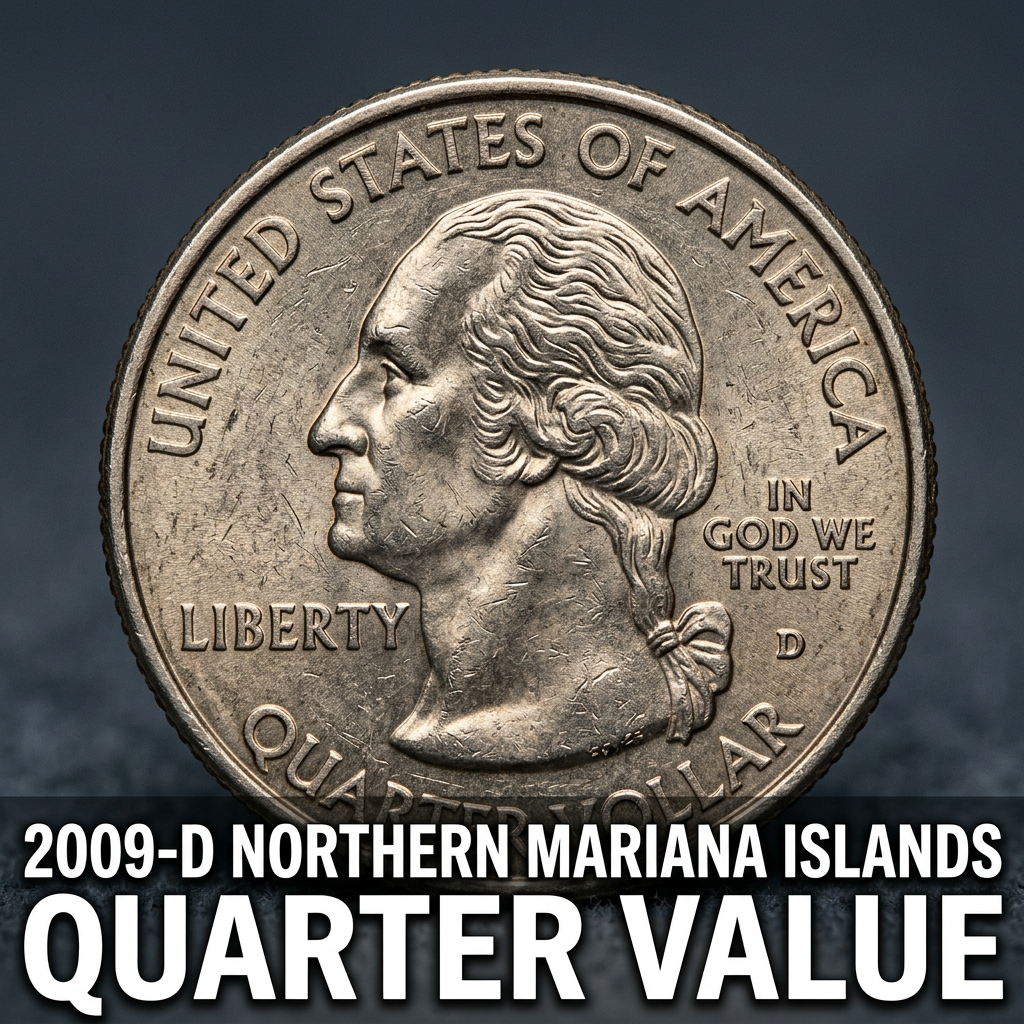
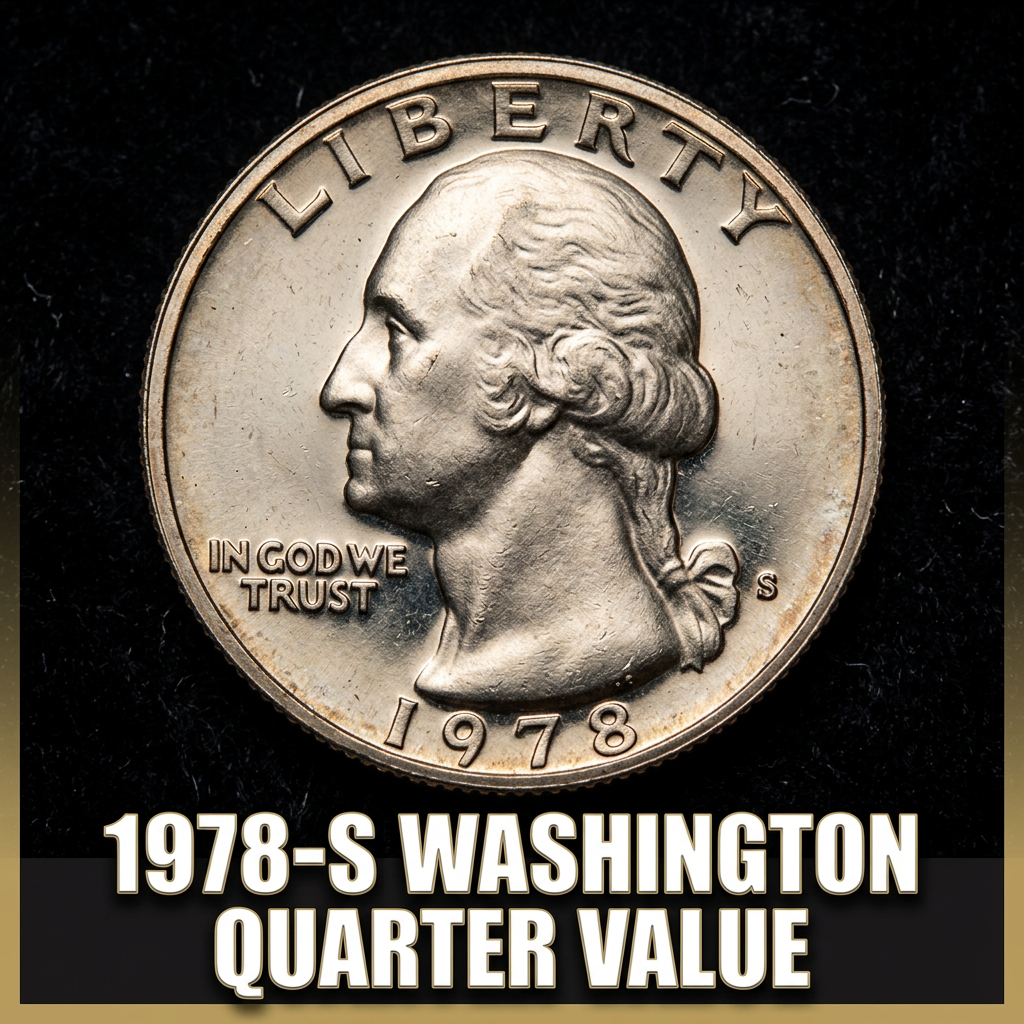
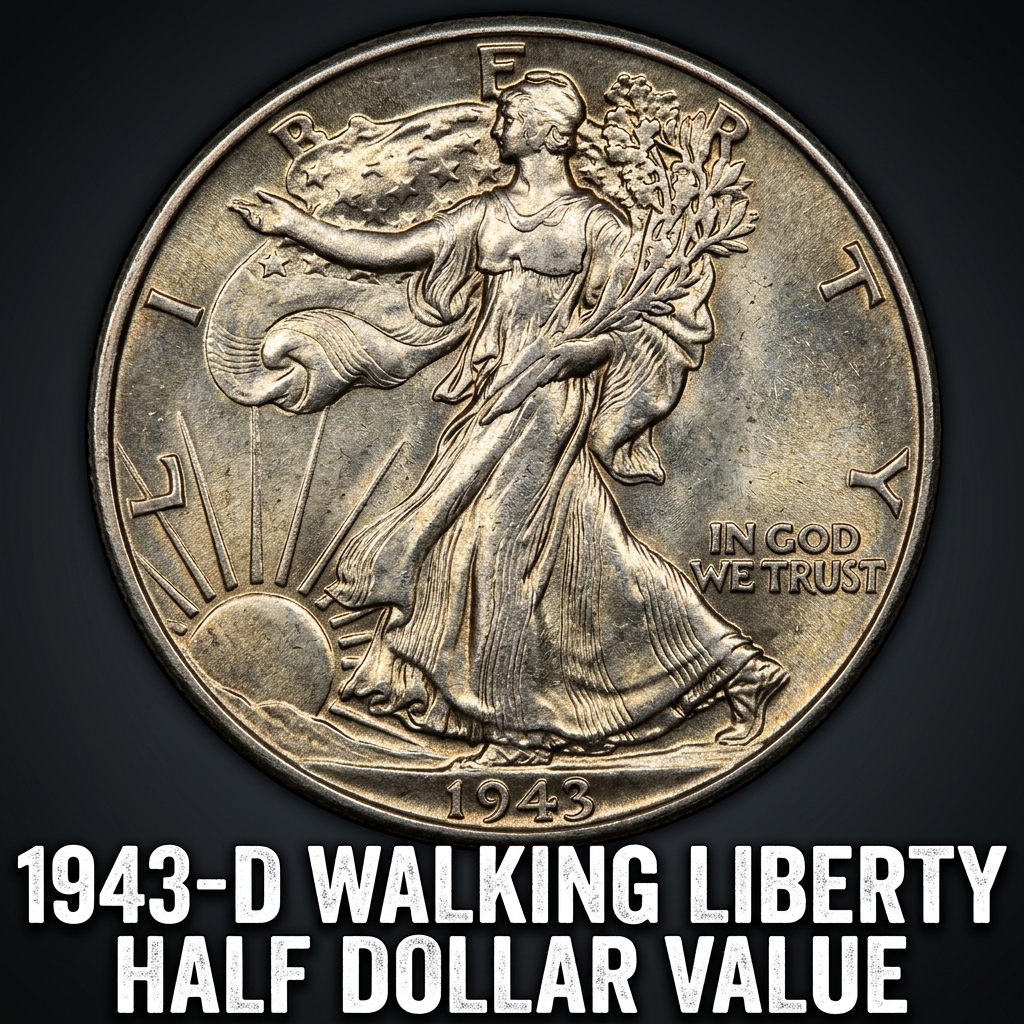
The 2010-D Grand Canyon Quarter is worth anywhere from 25 cents in heavily circulated condition to around $5 to $15 or more in uncirculated mint state, with top-grade certified examples occasionally fetching higher prices at auction. If you found one in your change or a old coin jar, you’re in the right place to find out exactly what you’ve got.
—
What Is the 2010-D Grand Canyon Quarter?
The 2010-D Grand Canyon Quarter is part of the America the Beautiful Quarters Program, a U.S. Mint series launched in 2010 that honors national parks and historic sites across all 50 states, U.S. territories, and the District of Columbia. The Grand Canyon quarter represents Arizona and was one of the first five coins released in the series. The “D” mintmark tells you this coin was struck at the Denver Mint, as opposed to the “P” version from Philadelphia.
On the reverse side, you’ll see a beautifully detailed design of the Grand Canyon’s layered rock formations and the Colorado River winding below. The obverse carries the classic portrait of George Washington, which has appeared on quarters since 1932.
If you’re not sure whether the coin you’re holding is actually a 2010-D or a different year, you can use a free coin identification app to scan it quickly and get accurate details in seconds. These tools are super handy when you’re sorting through a large collection and don’t want to squint at mintmarks all day.
—
How Much Is the 2010-D Grand Canyon Quarter Worth?
Most 2010-D Grand Canyon Quarters that have passed through everyday circulation are only worth face value — 25 cents. However, coins that were saved from circulation and show little to no wear can be worth several dollars to collectors. Here’s a general breakdown:
| Condition | Grade | Estimated Value |
|---|---|---|
| Heavily Circulated | G–F | Face Value ($0.25) |
| Lightly Circulated | EF–AU | $0.50 – $1.50 |
| Uncirculated | MS-60 to MS-63 | $1 – $5 |
| Gem Uncirculated | MS-65+ | $5 – $15+ |
For the most up-to-date pricing data on similar coins in this series, you can check out current market prices for the 2010 America the Beautiful Quarters on CoinHix, where live auction results and dealer prices are tracked in real time.
—
Mintage Numbers and Why They Matter
The Denver Mint produced approximately 534 million 2010-D Grand Canyon Quarters. Yes, you read that right — over half a billion coins. That’s a huge number, which is the main reason why circulated examples carry no premium. With so many in existence, supply far outpaces demand for worn coins.
That said, truly high-grade examples graded MS-67 or above by PCGS or NGC are considerably rarer, because most coins from this era picked up contact marks and surface scratches during the minting and bagging process. A coin that grades MS-68 could realistically sell for $50–$100 or more at specialized auctions, simply because so few survive in that condition.
CoinHix is a great tool for checking how many graded examples exist at each grade level, which helps you understand whether your coin is common or genuinely scarce.
—
Special Varieties and Error Coins to Watch For
Like many modern quarters, the 2010-D Grand Canyon Quarter has a few known varieties and error types that collectors actively seek out. These include:
– Doubled die errors — subtle doubling on lettering or design elements
– Off-center strikes — coins where the design is shifted noticeably from center
– Clipped planchets — coins with a missing edge section due to a miscut blank
Error coins can dramatically change the value of an otherwise ordinary quarter. A dramatic off-center error on a 2010-D Grand Canyon Quarter, for instance, could be worth $20 to $100 depending on the severity and visual appeal. If you think you might have an error coin, get a close-up photo and run it through CoinHix or consult a professional grading service.
For a broader look at what 2010 quarters are worth across different mint marks and conditions, that resource breaks things down clearly and is helpful for beginners.
—
FAQ
Q: Is a 2010-D Grand Canyon Quarter rare?
A: No, in general circulation condition it is not rare. The Denver Mint struck over 534 million of them. However, examples graded MS-67 or higher are genuinely scarce and worth a premium to collectors.
Q: Should I clean my 2010-D Grand Canyon Quarter to make it look better?
A: Absolutely not. Cleaning a coin removes its original surface luster and actually destroys value in the eyes of collectors and graders. Leave it exactly as you found it.
Q: How can I tell if my coin is uncirculated?
A: An uncirculated coin will have no wear on the high points of the design — the rock formations on the reverse and Washington’s cheek and hair on the obverse will show original mint luster with no flat or dull patches. A magnifying glass or loupe helps a lot.