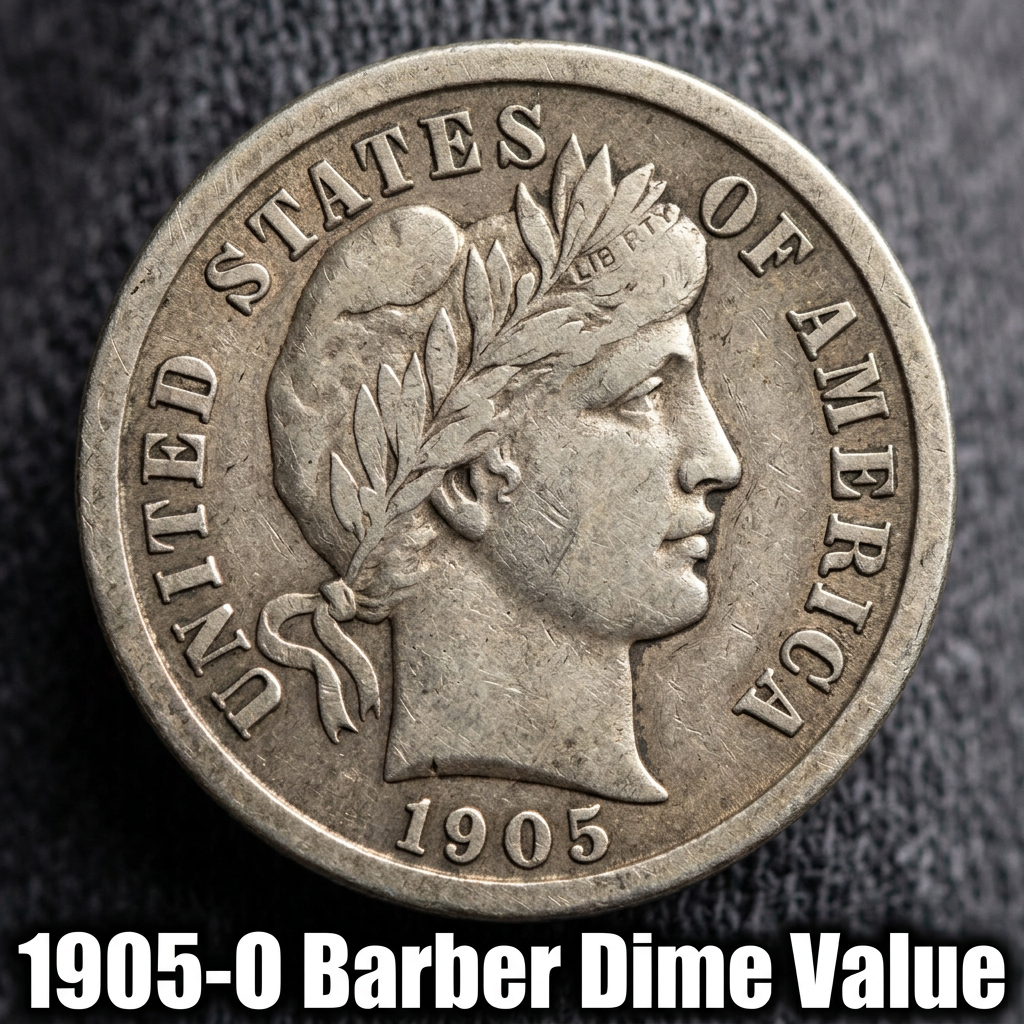
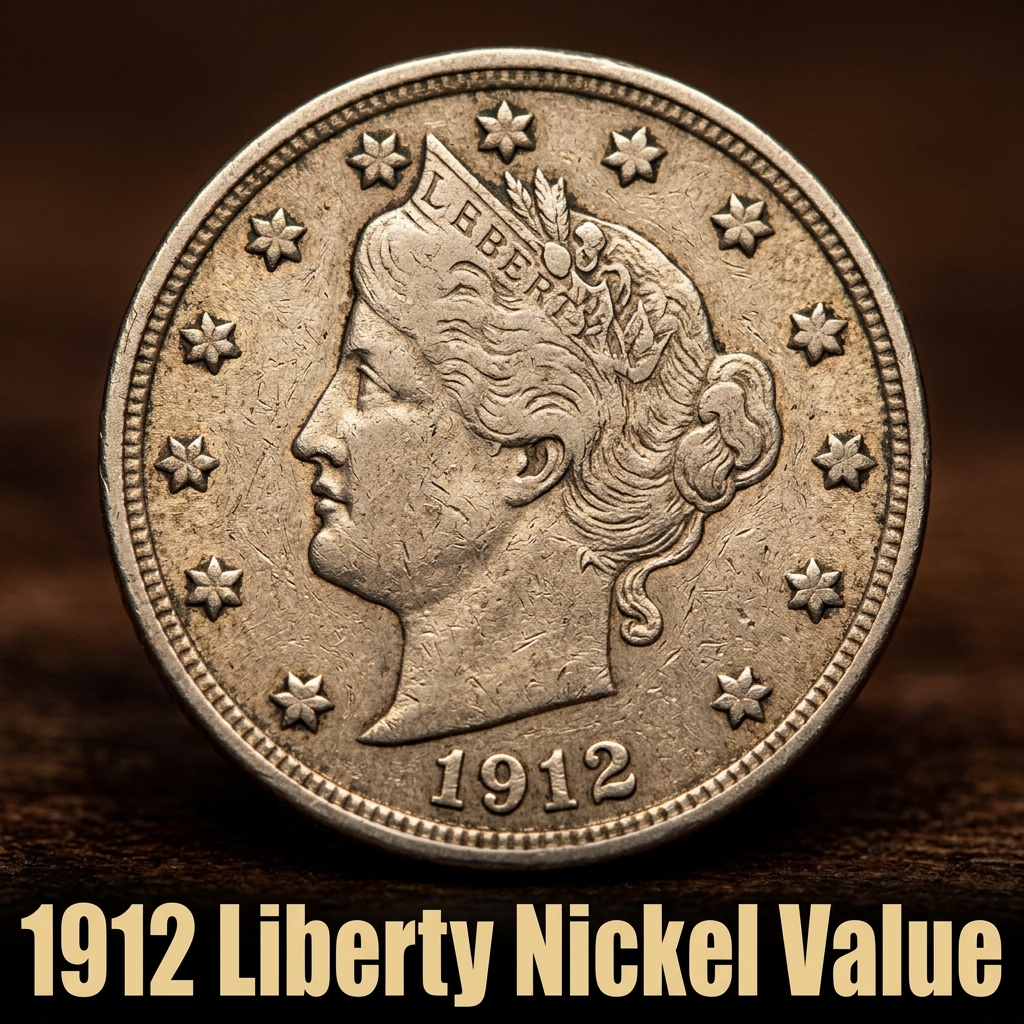
The 1908-D Barber Half Dollar is worth anywhere from $15 in heavily worn condition to well over $500 in higher mint state grades, with rare examples grading MS-65 or above reaching into the thousands. If you’ve come across one of these old silver coins, you’re holding a genuine piece of American history — and possibly a nice chunk of cash.
Whether you’re a first-time finder or a seasoned collector, identifying and valuing old coins can feel overwhelming. That’s why many people now turn to a free coin identification app to get a quick read on what they’ve found before heading to a dealer. Tools like these make the process so much easier for everyday folks.
What Is the 1908-D Barber Half Dollar?
The 1908-D Barber Half Dollar was struck at the Denver Mint in 1908, one of three mints producing this coin that year (Philadelphia and San Francisco were the others). It carries the classic Barber design — named after Charles E. Barber, the U.S. Mint’s Chief Engraver who created the design back in 1892. The obverse features Liberty wearing a laurel wreath and a Phrygian cap, while the reverse shows a detailed heraldic eagle. These coins were made of 90% silver and weighed 12.5 grams, giving them genuine precious metal value on top of their numismatic worth. The “D” mintmark appears on the reverse, just below the eagle’s tail feathers. With a mintage of 3,280,000 coins, the 1908-D is not considered a rare date, but well-preserved specimens are certainly harder to find than you might expect, simply because most of these coins circulated heavily for decades.
1908-D Barber Half Dollar Value by Grade
Condition is everything when it comes to Barber Half Dollar values. A coin that’s been in someone’s pocket for years looks very different from one that was tucked away shortly after it was minted. Coin graders use a numeric scale from 1 to 70, with common grades for circulated Barber Halves falling between G-4 (Good) and AU-55 (About Uncirculated).
Here’s a general value guide based on current market trends:
| Grade | Description | Estimated Value |
|---|---|---|
| G-4 (Good) | Heavily worn, major details visible | $15 – $20 |
| VG-8 (Very Good) | Moderate wear, some detail remains | $22 – $30 |
| F-12 (Fine) | Even wear, all lettering clear | $35 – $50 |
| VF-20 (Very Fine) | Light wear on high points | $65 – $90 |
| EF-40 (Extremely Fine) | Slight wear, sharp detail | $130 – $175 |
| AU-55 (About Uncirculated) | Traces of wear, much mint luster | $220 – $300 |
| MS-63 (Mint State) | Uncirculated, minor contact marks | $500 – $750 |
| MS-65 (Gem) | Exceptional luster and surfaces | $2,000+ |
If you’re curious about how this coin stacks up against other valuable half dollars, check out this helpful resource on which half dollars are worth the most money — it covers a wide range of dates and mintmarks worth knowing about.
How to Check Your 1908-D Barber Half Dollar at Home
Before you take your coin to a dealer or send it off for professional grading, there are a few simple things you can do at home. First, locate the mintmark on the reverse side — for a 1908-D, it should clearly show a “D” under the eagle. Next, look at the condition of Liberty’s head on the obverse. If the hair details above her forehead are nearly flat, you’re likely looking at a G or VG coin. If you can make out individual strands of hair and the cap detail looks crisp, you might be holding a Fine or better specimen.
Avoid cleaning your coin — this is one of the most common mistakes people make, and it can cut the value dramatically. Even a gentle wipe with a cloth can leave micro-scratches that trained graders will immediately notice. For a fast and surprisingly accurate first look, CoinHix is a popular app that lets you photograph your coin and get an instant value estimate right from your phone. It’s become a go-to tool for collectors and casual finders alike.
Silver Content and Melt Value
Even if your 1908-D Barber Half Dollar is worn down to a G-4, it still has real value because of its silver content. Each coin contains approximately 0.3617 troy ounces of pure silver. With silver prices fluctuating around $28–$30 per troy ounce in recent times, the melt value alone sits around $10–$11. While you’d never want to melt a collectible coin, this silver floor gives every Barber Half Dollar a baseline worth even in the roughest condition. For collectors, the numismatic premium — the extra value beyond melt — is always on top of that. This means even a battered 1908-D is worth more than just loose change.
Where to Sell or Get Your Coin Appraised
If you’ve decided you want to sell your 1908-D Barber Half Dollar, you have a few solid options. Local coin shops are a great starting point — a dealer can give you a quick in-person appraisal for free or a small fee. Online marketplaces like eBay and Heritage Auctions see regular sales of Barber Half Dollars and can give you a realistic sense of current market pricing. For coins that might be in high grades, consider submitting to a third-party grading service like PCGS or NGC. Their certified holders add credibility and often fetch higher prices from serious collectors. And if you just want a ballpark figure from the comfort of your couch, CoinHix makes it easy to snap a photo and get a value estimate instantly — a great first step before deciding whether to sell, hold, or get a formal appraisal.
FAQ
Q: How do I know if my half dollar is really a 1908-D?
A: Look at the date on the obverse (front) of the coin — it should clearly read 1908. Then flip it over and look below the eagle’s tail feathers on the reverse for a small “D” mintmark. If both are present, you have a genuine 1908-D Barber Half Dollar.
Q: Is the 1908-D Barber Half Dollar rare?
A: It’s not considered a key date or a rare variety. With over 3.2 million minted, it’s one of the more common Barber Half Dollars. That said, finding one in Extremely Fine or Mint State condition is genuinely difficult, and those grades command strong premiums.
Q: Can I use an app to find out what my Barber Half Dollar is worth?
A: Absolutely. CoinHix is one of the most user-friendly options available — just photograph your coin and it uses image recognition to identify and estimate the value. It’s a great starting point, though for high-value coins, a professional grader’s opinion is always worth getting as well.