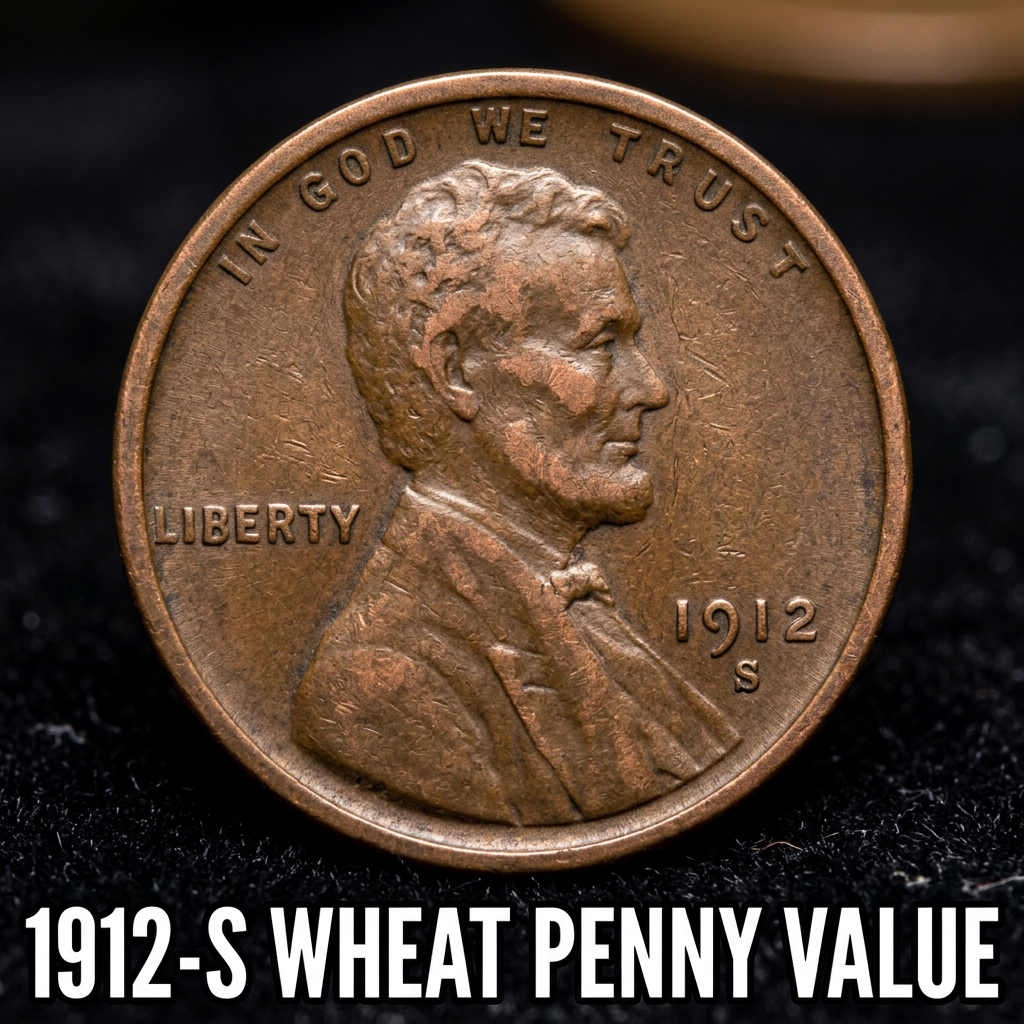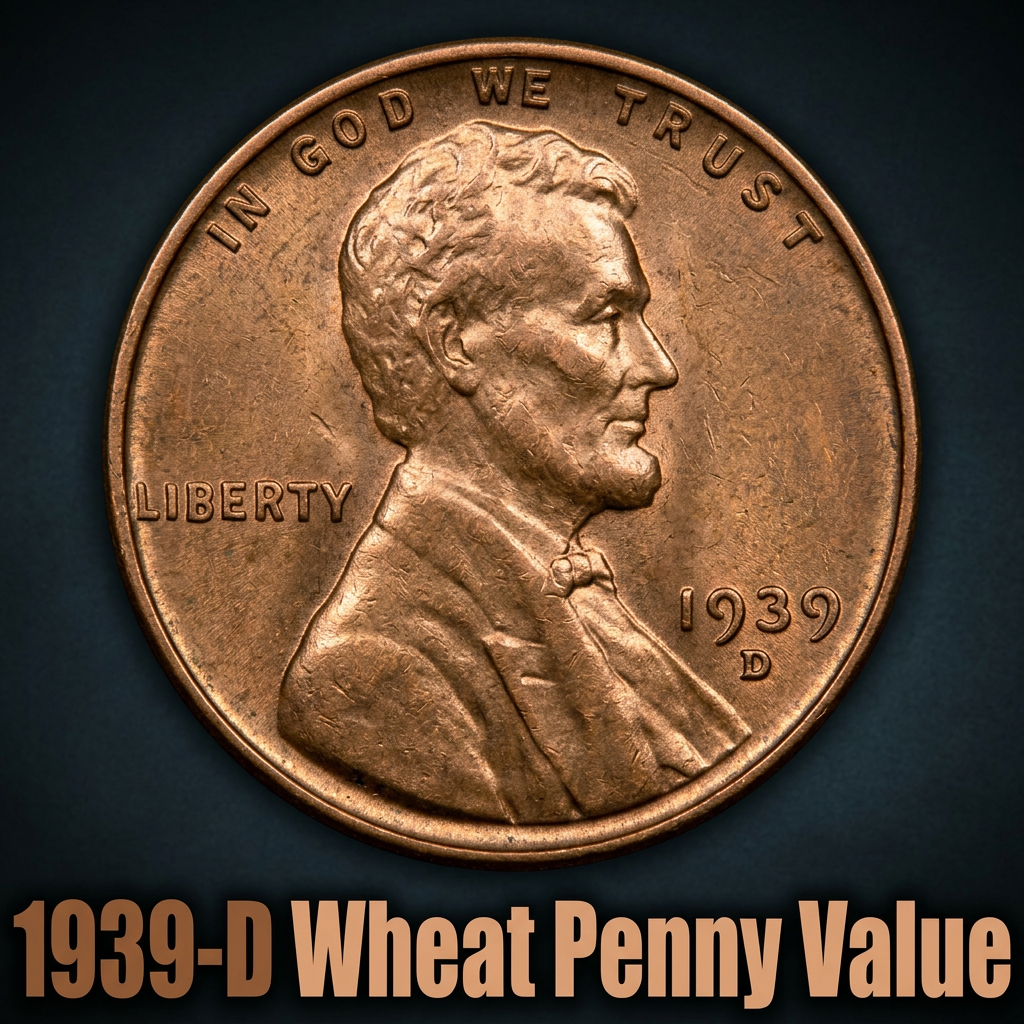
The 1939-D Wheat Penny is worth anywhere from $0.10 in heavily worn condition to over $20 or more in uncirculated grades, with top-condition examples occasionally fetching $50 or higher. If you’ve found one of these old Lincoln cents, you’re in the right place to find out exactly what it’s worth.
What Is the 1939-D Wheat Penny?
The 1939-D Wheat Penny is a Lincoln Wheat Cent struck at the Denver Mint in 1939. You can identify it by the small “D” mintmark located on the obverse (front) side, just below the date. These coins were made of 95% copper and 5% tin and zinc, giving them that warm reddish-brown color you’ve probably noticed on older pennies.
The Denver Mint produced over 15 million of these coins in 1939, which means they’re not considered rare — but that doesn’t mean they’re worthless. The value of a 1939-D Wheat Penny depends heavily on its condition. A coin that’s been sitting in a jar for decades is going to be worth a lot less than one that’s been carefully stored since the day it was minted.
If you’re not sure what you have, try using a free coin identification app to snap a photo of your coin and get an instant read on what it might be. It’s a great first step before you do any research or visit a coin dealer.
1939-D Wheat Penny Value by Grade
Coin grading is the key to understanding value. The Sheldon scale runs from 1 (barely identifiable) to 70 (perfect uncirculated). Here’s a quick breakdown of what a 1939-D Wheat Penny is worth at different grade levels:
| Grade | Description | Estimated Value |
|---|---|---|
| G-4 (Good) | Heavy wear, design visible | $0.10 – $0.25 |
| VG-8 (Very Good) | Moderate wear, some detail | $0.25 – $0.50 |
| F-12 (Fine) | Light to moderate wear | $0.50 – $1.00 |
| EF-40 (Extremely Fine) | Light wear on high points | $2.00 – $5.00 |
| MS-63 (Uncirculated) | No wear, minor bag marks | $10 – $20 |
| MS-65 (Gem Uncirculated) | Sharp strike, strong luster | $30 – $60+ |
For the most up-to-date market figures, you can check the 1939-D Wheat Penny price data in MS Red condition to see recent auction results and certified sale prices. The CoinHix platform keeps these numbers current, which is really useful when values shift.
What Affects the Value of a 1939-D Wheat Penny
Beyond the grade, a few other factors can push the value of your 1939-D Wheat Penny up or down significantly.
Color designation matters a great deal for uncirculated coins. Copper coins are graded not just by wear, but by color — Red (RD), Red-Brown (RB), or Brown (BN). A Red example holds its original copper shine and commands the highest prices. A Brown coin has toned significantly and is worth less.
Strike quality also plays a role. Some coins from the Denver Mint in 1939 came out with weaker strikes, meaning the fine details on Lincoln’s portrait or the wheat stalks on the reverse weren’t as sharp as they could be. A well-struck coin is always more desirable.
Finally, eye appeal — the overall look of the coin — matters to collectors. Coins with original luster, no cleaning, and no spots are worth more than those that have been polished or improperly stored. Never clean an old coin; it almost always reduces its value.
How to Check the Current 1939-D Wheat Penny Value
If you want a more personalized look at what your coin might be worth, visiting CoinHix is a solid move. The platform aggregates real market data so you’re not guessing. You can also explore detailed 1939 penny value information broken down by mint mark and grade to compare Denver, Philadelphia, and San Francisco issues side by side.
Keep in mind that retail price guides and auction results can differ. A coin dealer might offer you 50–60% of retail value when buying, so knowing the actual market price beforehand puts you in a much stronger position.
Is the 1939-D Wheat Penny Worth Keeping?
For most people who find one in a coin jar or an old collection, a circulated 1939-D Wheat Penny isn’t going to retire anyone. But it’s still a piece of American history that’s over 85 years old. Uncirculated examples — especially Red-graded coins — are genuinely collectible and worth seeking out at coin shows or online marketplaces.
If you’re just getting started with coin collecting, tools like CoinHix make it easy to track what your coins are worth over time without needing to be an expert. Whether you’re building a set of Lincoln Wheat Pennies or just curious about that old cent you found, understanding value is the first step.
—
FAQ
Q: How do I know if my 1939 penny is from the Denver Mint?
A: Look for a small “D” mintmark on the obverse (heads) side of the coin, just below and to the right of the date “1939.” If there’s no mintmark, it was made at the Philadelphia Mint.
Q: Is a 1939-D Wheat Penny rare?
A: No, the 1939-D is not considered rare. The Denver Mint struck over 15 million of them. However, high-grade uncirculated examples — especially those graded MS-65 or higher in Red — are much harder to find and carry real collector value.
Q: Should I clean my 1939-D Wheat Penny before selling it?
A: Absolutely not. Cleaning a coin — even with mild soap or a cloth — removes the natural patina and surface luster, which significantly reduces its value to collectors and dealers. Always sell or have a coin evaluated in the condition you found it.