The 1978-D Lincoln Penny is worth anywhere from 1 cent in heavily worn condition to over $15 or more in pristine, uncirculated grades — and a select few high-grade examples have sold for well over $100 at auction. If you just found one of these coins in an old jar or inherited a collection, you’re in the right place to find out exactly what you’ve got.
Before we dive deep, it’s worth knowing that identifying your coin’s condition is the most important step in figuring out its value. A great way to start is by using a free coin identification app on your phone, which can help you confirm the date, mint mark, and even get a rough grade — all without leaving your couch.
—
What Is the 1978-D Lincoln Penny?
The 1978-D Lincoln Penny was struck at the Denver Mint, which is indicated by the small “D” mint mark found just below the date on the obverse (heads) side of the coin. In 1978, the Denver Mint produced an enormous number of these cents — over 4.2 billion of them — which is one of the key reasons why most circulated examples are worth only face value or just a few cents.
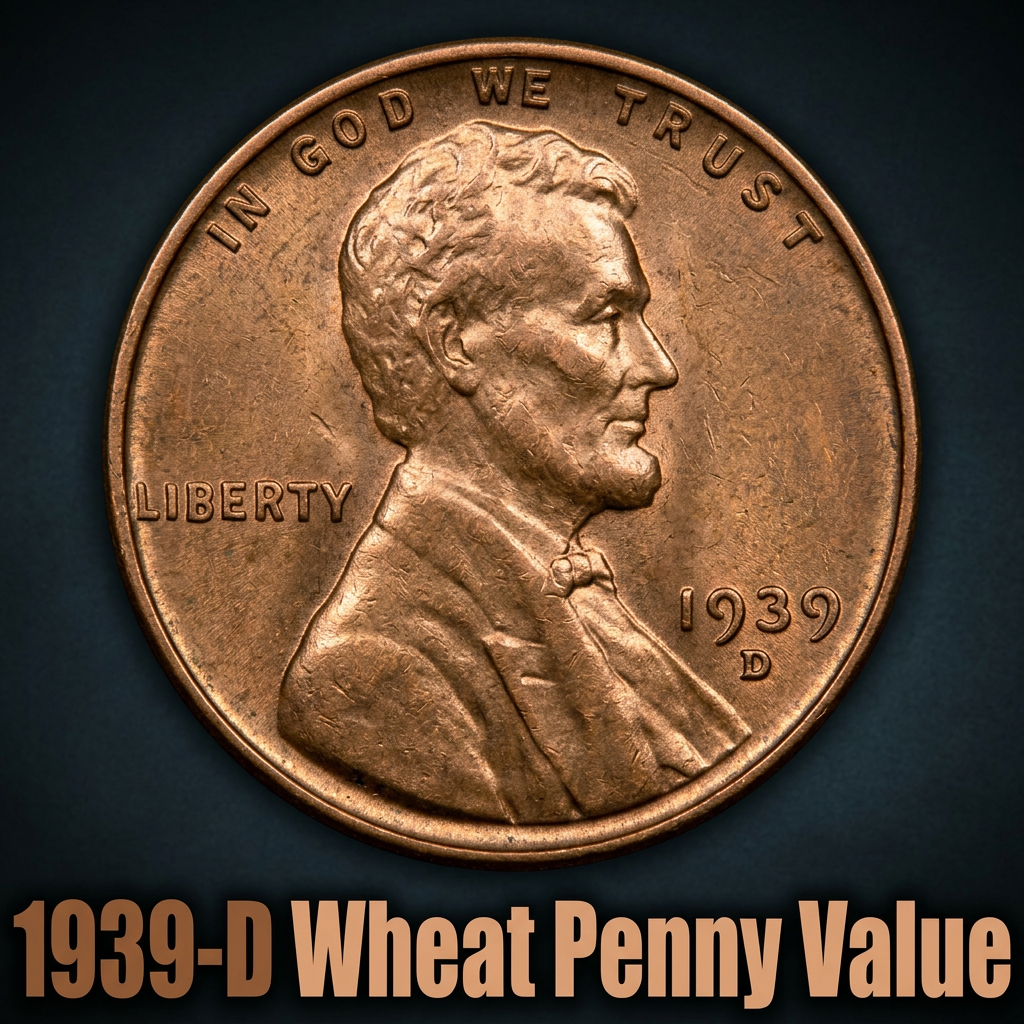
The coin features Victor David Brenner’s iconic portrait of Abraham Lincoln on the front and the Lincoln Memorial design on the reverse, which was the standard design from 1959 through 2008. It’s composed of 95% copper and 5% zinc, giving it the warm reddish-brown tone that collectors love when preserved in original condition.
Despite the huge mintage, the 1978-D cent is a perfectly valid collectible — especially when found in high uncirculated grades. Coin collectors who build complete Lincoln Memorial Penny sets absolutely need this date and mint mark combination, keeping demand steady.
—
1978-D Lincoln Penny Value by Grade
Condition, or “grade,” is everything when it comes to coin values. A penny that never entered circulation looks completely different from one that has been passed around in pockets and cash registers for decades. Here’s a quick breakdown of what the 1978-D Lincoln Penny is typically worth based on grade:
| Grade / Condition | Description | Estimated Value |
|---|---|---|
| Poor / Fair (P-1 to F-2) | Heavily worn, details nearly gone | Face value (~$0.01) |
| Fine (F-12) | Moderate wear, major details visible | $0.05 – $0.10 |
| Extremely Fine (EF-40) | Light wear on high points | $0.15 – $0.50 |
| About Uncirculated (AU-55) | Slight friction, nearly full luster | $0.50 – $1.50 |
| MS-63 Red (Uncirculated) | No wear, some minor marks | $1 – $5 |
| MS-65 Red (Gem Uncirculated) | Strong luster, minimal contact marks | $8 – $18 |
| MS-67 Red (Superb Gem) | Near-perfect, original red color | $100+ |
You can find detailed, up-to-date 1978-D Lincoln Penny price data across all grades and color designations to see exactly how auction results and market trends are shifting for this coin right now.
—
Color Designation Matters More Than You Think
One thing that surprises many new collectors is that Lincoln Cents are graded not just by wear, but also by their color. The three official designations are:
– Red (RD) — The coin has retained at least 95% of its original bright copper color. This is the most desirable and most valuable.
– Red-Brown (RB) — Between 5% and 95% of original color remains. Moderate premium over worn coins.
– Brown (BN) — The coin has toned to a brown hue over time. Worth the least in uncirculated grades, though still perfectly collectible.
A 1978-D cent graded MS-65 Red is worth significantly more than the same grade in Brown. If you’re buying or selling, always pay attention to the color designation. The CoinHix app makes it easy to filter by grade and color so you know exactly what price range to expect.
—
Are There Any Valuable 1978-D Penny Errors to Look For?
Even common coins can become rare and valuable if they were struck with a die or planchet error. With over 4 billion 1978-D pennies made, some errors did slip through. Here are a few worth checking for:
– Doubled Die Obverse (DDO): Look closely at Lincoln’s portrait, lettering, and date under magnification. If you see doubling — text that appears to have a shadow — you may have a valuable variety.
– Off-Center Strikes: If the design is shifted to one side and the opposite edge shows a blank copper rim, this is an off-center error. Significant off-center errors (30% or more) can be worth $25–$100+.
– Die Cracks and Cuds: Raised lines or blobs on the surface caused by cracked dies add modest collector premiums.
– Wrong Planchet Errors: Extremely rare cases where a cent was struck on a dime or foreign coin blank — these can be worth hundreds.
For a thorough look at what makes a 1978 penny valuable, including errors and special varieties, it’s smart to cross-reference multiple sources before buying or selling.
—
How to Check Your 1978-D Penny’s Value the Easy Way
You don’t need to be an expert numismatist to get a solid idea of what your coin is worth. Here’s a simple process:
1. Look at the date and mint mark — Confirm it says 1978 with a “D” below the date.
2. Assess the condition — Is it shiny and bright? Or worn flat? Use the grade table above as a guide.
3. Check the color — Red, red-brown, or brown?
4. Look for errors — Use a magnifying glass or loupe to check for doubling or off-center strikes.
5. Compare to recent sales — Check completed auction listings on eBay or use a trusted app.
CoinHix is one of the best tools available for this — it aggregates real auction data and shows you exactly what coins like your 1978-D Lincoln Penny have actually sold for, not just estimated book values. Download CoinHix and search your coin in seconds.
—
FAQ
Q: Is a 1978-D penny worth anything?
A: Most circulated 1978-D pennies are worth only face value or a few cents, since over 4.2 billion were minted. However, uncirculated examples in grades MS-65 Red or higher can be worth $8 to $18 or more, and superb gem examples graded MS-67 Red have sold for over $100 at auction.
Q: How do I tell if my 1978-D penny is uncirculated?
A: An uncirculated coin has no wear on the high points of the design — Lincoln’s cheekbone, hair, and shoulder should look sharp and show original mint luster (a slight shine or cartwheel effect when you tilt the coin under light). If those areas look dull or flat, the coin has been circulated.
Q: What 1978-D penny errors are the most valuable?
A: The most sought-after errors include significant doubled die varieties, major off-center strikes (30% or more), and wrong planchet errors. A dramatic off-center 1978-D cent can sell for $25–$100+, while a confirmed doubled die or planchet error could fetch considerably more depending on how dramatic the error is and the coin’s overall condition.