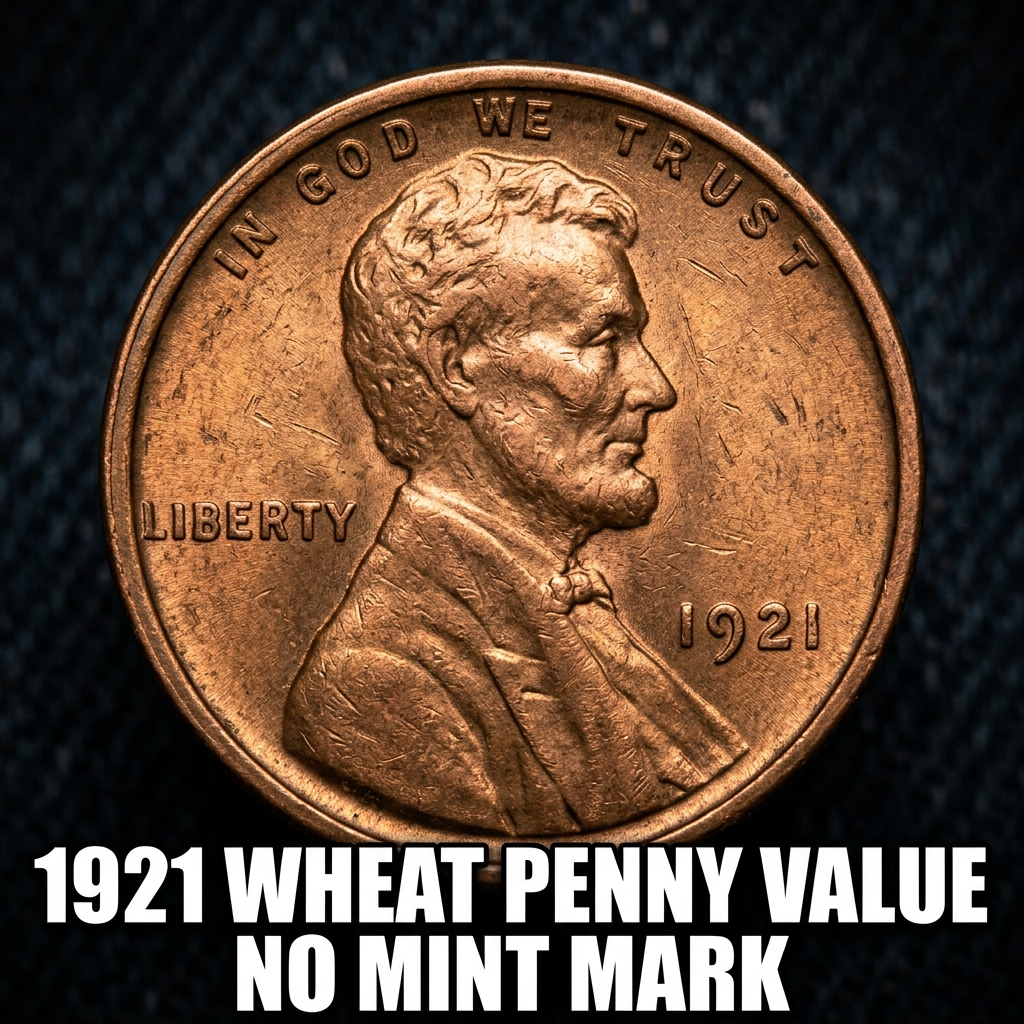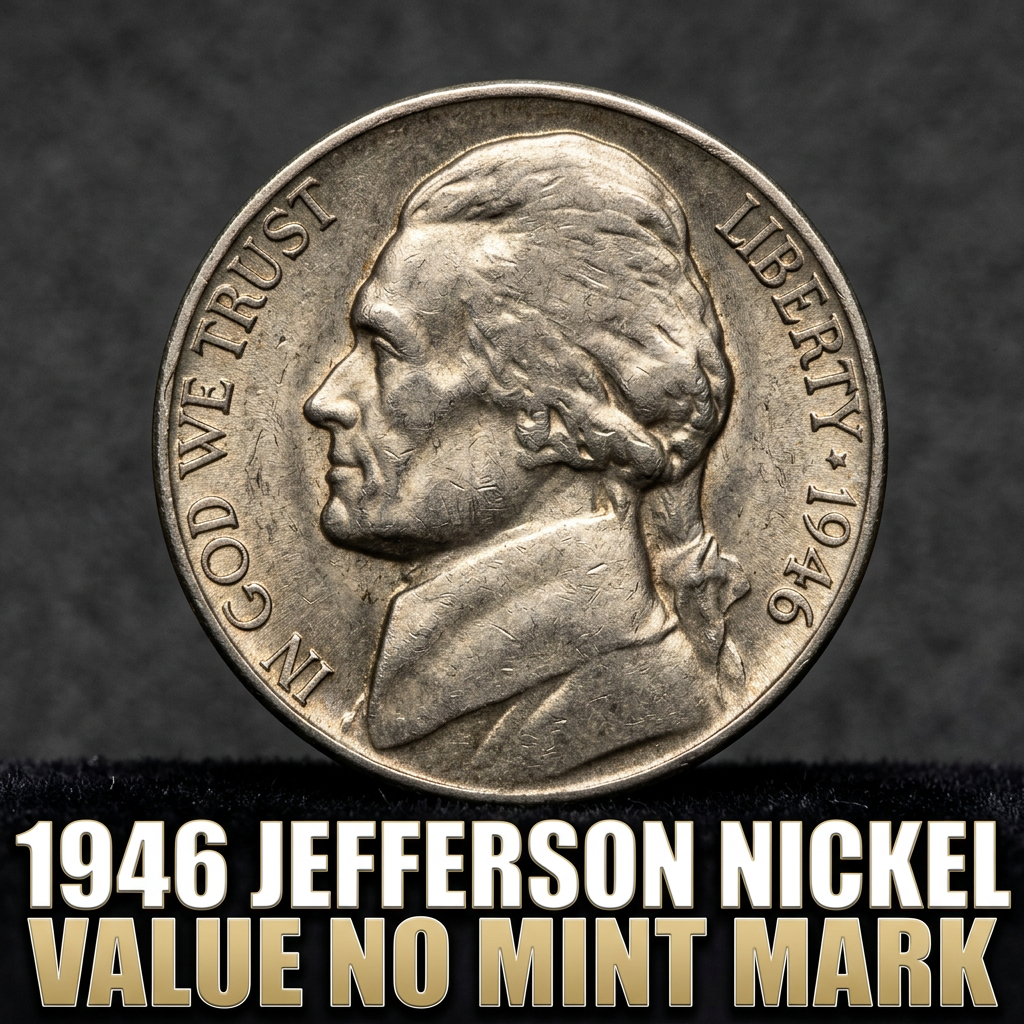
The 1946 Jefferson Nickel with no mint mark is worth anywhere from $0.10 in heavily worn condition to over $50 or more in pristine uncirculated grades. If you found one in a jar of old change or inherited a coin collection, you might be sitting on a small but genuine treasure — especially if the coin still has its original luster.
If you’re not sure what you have, a free coin identification app can help you quickly figure out the mint mark, date, and overall condition of your coin before you start researching its value. Tools like CoinHix make it even easier for everyday collectors to get fast, reliable price estimates right from their phone.
—
What Is the 1946 Jefferson Nickel No Mint Mark?
The 1946 Jefferson Nickel without a mint mark was struck at the Philadelphia Mint. After World War II ended, the U.S. Mint stopped producing the wartime “silver nickels” — which actually contained 35% silver — and returned to the standard copper-nickel composition. That makes 1946 a transitional year for Jefferson Nickel collectors, and the Philadelphia issue is one of the most commonly encountered.
Philadelphia coins from this era carry no mint mark at all, which is a tradition the mint followed for decades. A total of 161,116,000 nickels were struck in Philadelphia in 1946, making them plentiful in circulated grades. That said, finding a fully struck, uncirculated example with full steps on Monticello is a different story — and those coins command real premiums.
—
1946 Jefferson Nickel Value by Grade
Coin value is almost entirely driven by condition. A coin that looks shiny and new is worth far more than one with heavy wear. Here’s a general breakdown of what the 1946 Jefferson Nickel no mint mark is worth across different grades:
| Grade | Description | Estimated Value |
|---|---|---|
| Good (G-4) | Heavy wear, outline visible | $0.10 – $0.25 |
| Fine (F-12) | Moderate wear, some detail | $0.25 – $0.50 |
| Extremely Fine (EF-40) | Light wear on high points | $0.75 – $2.00 |
| Uncirculated (MS-63) | No wear, some bag marks | $5 – $12 |
| Gem Uncirculated (MS-65) | Sharp strike, full luster | $15 – $35 |
| MS-65 Full Steps (FS) | Five or six full steps on Monticello | $50 – $100+ |
For the most up-to-date pricing based on recent auction sales, you can check out the latest 1946 Jefferson Nickel price data in mint state grades directly on the CoinHix platform.
—
What Are Full Steps and Why Do They Matter?
One of the most talked-about features in Jefferson Nickel collecting is “Full Steps” — a designation that refers to the steps leading up to the front door of Monticello on the reverse of the coin. If you can count five or six complete, uninterrupted steps, your coin may qualify for the Full Steps designation from grading services like PCGS or NGC.
This matters a lot for value. A standard MS-65 example might be worth $20 to $35, but the same coin with a Full Steps designation can jump to $50, $75, or even $100 and beyond. The 1946 Philadelphia issue is actually one of the tougher coins in the series to find with Full Steps because of how the dies were used and how many coins were struck. That scarcity drives demand among serious collectors.
If you think your coin might qualify, it’s worth sending it to a professional grading service. But first, apps like CoinHix can give you a quick sense of where your coin stands before you spend money on grading fees.
—
How to Tell If Your 1946 Nickel Is Worth Grading
Not every old nickel deserves to be professionally graded — grading costs money and takes time. Here are a few things to look for before deciding:
– No visible wear on Jefferson’s cheek or hair: If the high points look sharp and original, that’s a good sign.
– Original luster: Uncirculated coins have a soft cartwheel shine that circulated coins lack.
– No cleaning: Cleaned coins are worth far less. If it looks unnaturally bright or has fine hairline scratches, it may have been polished.
– Strong reverse detail: Check those Monticello steps. The more complete they are, the better.
For a deeper look at what your specific coin might be worth based on its grade and condition, this detailed 1946 nickel value guide breaks down pricing across all grades and mint marks in one easy-to-read format.
—
FAQ
Q: Is the 1946 Jefferson Nickel made of silver?
A: No. The 1946 Jefferson Nickel returned to the standard 75% copper and 25% nickel composition after the wartime silver nickels (1942–1945). Only nickels from that wartime period contain silver. The 1946 no-mint-mark coin is not silver.
Q: How do I know if my 1946 nickel has no mint mark?
A: Look on the reverse side of the coin, to the right of Monticello. If there is no letter there, it was made in Philadelphia and has no mint mark. A “D” means Denver, and an “S” means San Francisco.
Q: Is a 1946 Jefferson Nickel with no mint mark rare?
A: In circulated grades, no — over 161 million were minted. However, high-grade uncirculated examples with Full Steps are genuinely scarce and worth pursuing if you find one that looks nearly perfect.