The 1860 Indian Head Penny is worth anywhere from $5 in heavily worn condition to well over $300 in mint state grades, with some high-quality examples fetching even more at auction. Whether you found one in an old jar or inherited it from a family member, you’re holding a piece of American history that could be worth real money.
If you’re not sure what coin you’re looking at, a free coin identification app can help you confirm the date, mint mark, and other details before you start researching value. Once you’ve confirmed what you have, read on — this guide will walk you through everything you need to know about the 1860 Indian Head Penny value.
—
A Brief History of the 1860 Indian Head Penny
The Indian Head Penny was introduced in 1859 by the United States Mint and quickly became one of the most beloved small cents in American coinage history. The 1860 issue is particularly notable because it marked a design transition — the obverse wreath on the reverse was changed from a laurel wreath to an oak wreath with a shield, giving the coin a bolder, more patriotic look.
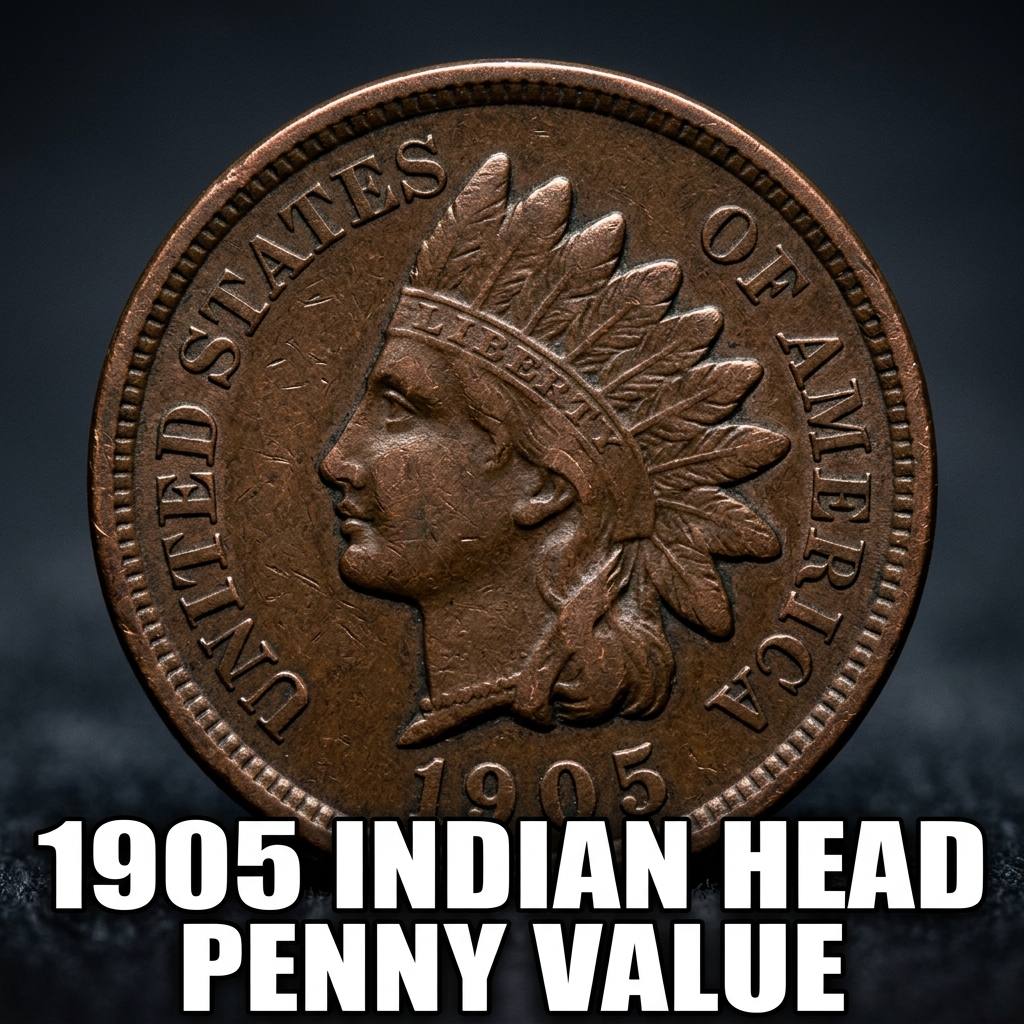
Designed by James Barton Longacre, the coin features a portrait of Liberty wearing a Native American headdress — not an actual Native American woman, as many people assume. The coin was struck only at the Philadelphia Mint in 1860, with a total mintage of approximately 20,566,000 pieces. That might sound like a lot, but most of those coins were circulated heavily during the Civil War era, meaning well-preserved examples are surprisingly scarce today.
Understanding this historical context helps explain why collectors place such a premium on high-grade 1860 Indian Head Pennies. Even coins in average circulated condition have held steady value for decades.
—
1860 Indian Head Penny Value by Grade
Coin value is almost entirely driven by condition. A coin that looks nearly new will always be worth far more than one that’s been worn smooth from years in circulation. Here’s a general breakdown of what the 1860 Indian Head Penny is worth depending on its grade:
| Grade | Description | Estimated Value |
|---|---|---|
| Good (G-4) | Heavy wear, design visible | $5 – $8 |
| Fine (F-12) | Moderate wear, details clear | $12 – $20 |
| Extremely Fine (EF-40) | Light wear on high points | $45 – $75 |
| About Uncirculated (AU-55) | Slight friction, nearly full luster | $90 – $140 |
| Mint State (MS-63) | Uncirculated, some marks | $200 – $325 |
| Mint State (MS-65+) | Gem uncirculated, exceptional | $600 and up |
For the most up-to-date pricing data, you can check the 1860 Indian Head Penny price chart by grade on CoinHix, which tracks recent auction results and market trends in real time. The CoinHix app makes it easy to look up any Indian Head Penny by year and grade right from your phone.
—
What Affects the Value of Your 1860 Indian Head Penny
Beyond grade, a few other factors can push the value of your 1860 Indian Head Penny up — or down.
Color designation plays a big role for uncirculated coins. Copper coins are graded not just by wear but by their original surface color: Red (RD), Red-Brown (RB), or Brown (BN). A Red example will always command a premium over a Brown one in the same numerical grade, sometimes by hundreds of dollars.
Eye appeal matters too. Coins with sharp strikes, original surfaces, and no cleaning or artificial toning are far more desirable to collectors. A coin that has been polished or cleaned — even with good intentions — can lose significant value.
Varieties are another thing to watch for. Some 1860 pennies were struck with a “pointed bust” obverse rather than the more common “round bust” style. The pointed bust variety is slightly scarcer and can carry a modest premium among specialists.
If you’re serious about tracking what your Indian Head pennies are worth over time, the CoinHix app gives you access to a full database of historical prices and grade-specific values — perfect for casual collectors and serious investors alike.
—
Should You Have Your 1860 Indian Head Penny Graded?
If your coin looks like it’s in AU or Mint State condition, professional grading by PCGS or NGC could be worth the investment. A certified coin in a holder with a confirmed grade sells for more money and gives buyers confidence. Grading fees typically run $20–$50 per coin, so it makes the most financial sense for coins likely worth $100 or more.
For circulated examples in Good to Fine condition, grading usually isn’t worth the cost. In that case, simply cleaning the coin — which you should never do — or storing it properly in a coin flip or album is the best approach.
If you want to explore how the value of other Indian Head cents compares, take a look at this detailed breakdown of the 1898 Indian Head Penny’s worth for a good sense of how date and rarity affect prices across the series.
—
FAQ
Q: Is the 1860 Indian Head Penny rare?
A: It’s not considered a key date, but it’s not common in high grades either. With over 20 million minted, circulated examples are easy to find, but Mint State Red coins are genuinely scarce and sought after by collectors.
Q: How can I tell if my 1860 Indian Head Penny has been cleaned?
A: Cleaned coins often look unnaturally bright or have fine hairline scratches visible under magnification. The surfaces may also lack the natural toning you’d expect on a coin over 160 years old. When in doubt, have it examined by a dealer or use CoinHix to compare your coin’s appearance to certified examples in their database.
Q: Where’s the best place to sell a 1860 Indian Head Penny?
A: Options include eBay, coin shows, local coin dealers, and auction houses like Heritage or Stack’s Bowers. For higher-grade coins, auction houses typically get the best results. For circulated coins, a local dealer or online marketplace works fine. Always get multiple quotes before selling.