The 1924 Wheat Penny with no mint mark is worth anywhere from $0.50 in heavily worn condition to over $100 in high-grade mint state — and if you’re lucky enough to have a well-preserved example, you might be sitting on a surprisingly valuable coin. Let’s break down exactly what yours could be worth.
What Is the 1924 Wheat Penny No Mint Mark?
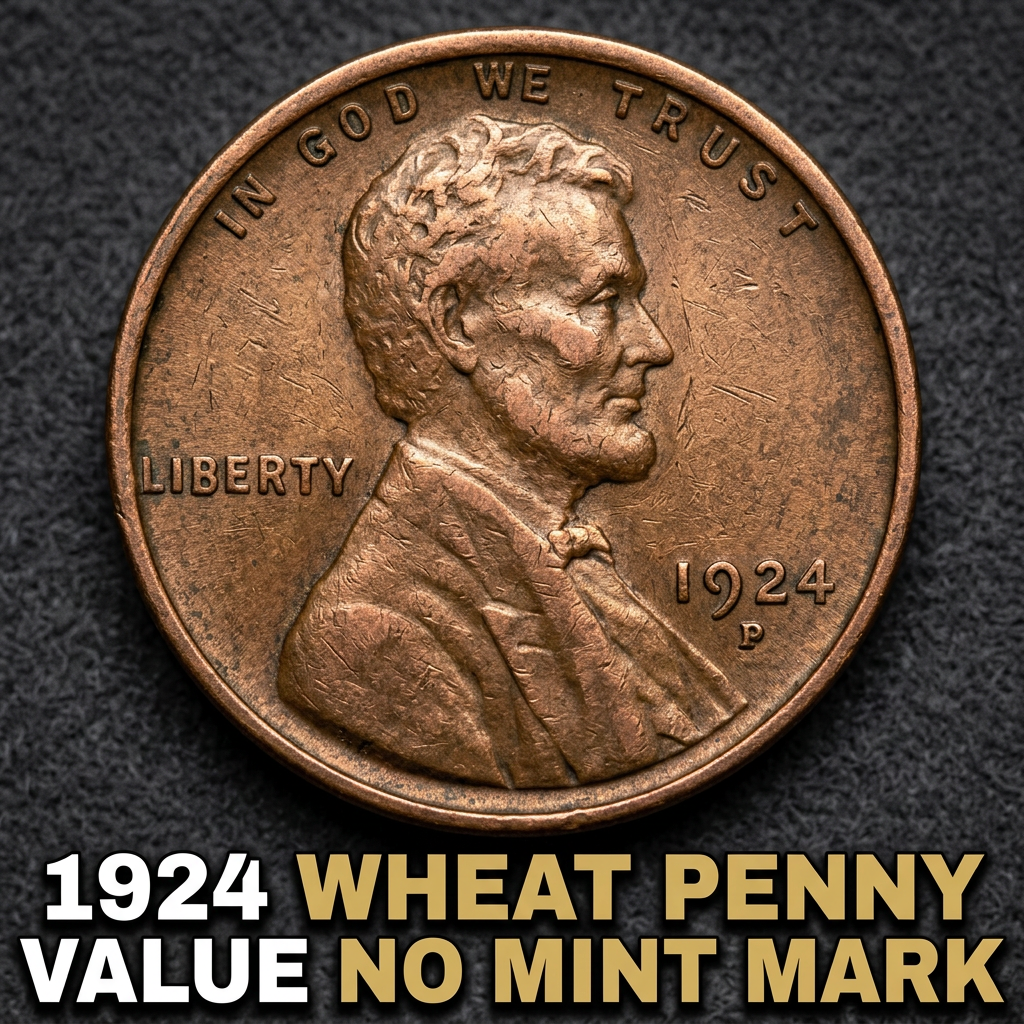
The 1924 Lincoln Wheat Penny with no mint mark was struck at the Philadelphia Mint, which was the standard practice at the time — Philadelphia coins didn’t carry a mint mark. That year, the Philadelphia Mint produced about 75.1 million of these pennies, making them more common than some other dates in the Wheat Penny series, but still collectible and worth knowing about. If you’ve recently dug one out of a jar or found it in an old collection, you’re in the right place. Using a free coin identification app can help you quickly confirm the coin’s date, mint mark (or lack thereof), and get a rough sense of its condition before you look up values.
The front of the coin shows Abraham Lincoln in profile — a design by Victor David Brenner that debuted in 1909 and ran through 1958. The back features two stalks of wheat framing the words “ONE CENT,” which is how these pennies got their popular nickname. Even in average circulated condition, a 1924 Philadelphia penny is a genuine piece of American history that’s nearly 100 years old.
How Much Is the 1924 Wheat Penny Worth by Grade?
Coin value depends heavily on condition, which collectors refer to as “grade.” A coin that’s been passed through thousands of hands looks very different from one that was tucked away in a drawer right after it was minted. Here’s a quick value guide for the 1924 Wheat Penny with no mint mark:
| Grade / Condition | Description | Estimated Value |
|---|---|---|
| Good (G-4) | Heavy wear, major details visible | $0.50 – $1.00 |
| Fine (F-12) | Moderate wear, lettering clear | $2 – $4 |
| Extremely Fine (EF-40) | Light wear on high points | $8 – $15 |
| About Uncirculated (AU-55) | Slight wear, most luster remains | $20 – $35 |
| Mint State (MS-63) | Uncirculated, minor blemishes | $50 – $75 |
| Mint State Red (MS-65 RD) | Full original red luster, gem quality | $100 – $200+ |
For the most up-to-date auction results and certified coin sales, you can check the 1924 Wheat Penny price data in MS Red condition on CoinHix, which tracks real market prices from major auction houses. CoinHix is a fantastic resource for anyone serious about understanding what their coins actually sell for.
What Makes Some 1924 Pennies Worth More Than Others?
The biggest factor is color. Copper coins are graded not only by wear but also by how much of their original color survives. Coins that retain full red luster (labeled RD) are worth significantly more than brown (BN) or red-brown (RB) examples of the same grade. A 1924 penny graded MS-65 Red can fetch five to ten times more than an MS-65 Brown.
Strike quality also matters. Some 1924 Philadelphia pennies came out of the press with weak details — particularly in Lincoln’s hair and the wheat stalks on the reverse. A sharply struck example with full details is always more desirable to collectors.
Finally, eye appeal plays a role. A coin with no distracting scratches, spots, or cleaning marks will always command a premium. If your 1924 Wheat Penny no mint mark looks bright and original without any signs of cleaning, that’s a very good sign.
How to Tell If Your 1924 Penny Has Been Cleaned
Cleaning is one of the most common issues with old pennies, and unfortunately it can significantly reduce a coin’s value. A cleaned coin often looks unnaturally bright or shiny, especially if it’s supposedly been sitting around for a century. You might also notice fine hairline scratches on the surface — a telltale sign of polishing or chemical treatment.
If you’re unsure whether your coin has been cleaned or what grade it might be, CoinHix offers helpful guides for visual comparison. You can also take a look at the detailed 1924 penny value breakdown at CoinValueApp, which walks through grading tips in plain language that’s easy for beginners to understand. If you want a professional opinion, third-party grading services like PCGS or NGC can authenticate and grade your coin for a fee — well worth it if you think you have a gem.
Is the 1924 Wheat Penny a Good Coin to Collect?
Absolutely. The 1924 Lincoln Wheat Penny no mint mark is an affordable entry point into the Wheat Penny series, which runs from 1909 to 1958. Most examples can be found for just a few dollars, which makes it easy to start a collection without breaking the bank. At the same time, high-grade red examples are genuinely scarce and desirable — so there’s room to grow in the hobby.
If you’re building a Lincoln cent collection or simply want to know what old coins are worth, apps like CoinHix make it easy to track values, compare grades, and stay on top of the market. Whether you’re a casual finder or a dedicated collector, the 1924 Wheat Penny is a coin worth holding onto.
FAQ
Q: How do I know if my 1924 penny is from Philadelphia and not another mint?
A: If there is no mint mark on the coin — look just below the date on the obverse — then it was struck at the Philadelphia Mint. Denver coins carry a “D” and San Francisco coins carry an “S.” No letter means Philadelphia.
Q: Is a 1924 Wheat Penny with no mint mark rare?
A: Not particularly rare in lower grades, since over 75 million were made. However, examples in high mint state grades with full red luster are genuinely scarce and can be worth $100 or more to the right collector.
Q: Should I clean my 1924 Wheat Penny before selling it?
A: No — never clean an old coin. Cleaning removes the natural patina and surface metal, which permanently damages the coin’s numismatic value. A naturally toned or even slightly dirty coin is almost always worth more than one that has been polished or chemically treated.